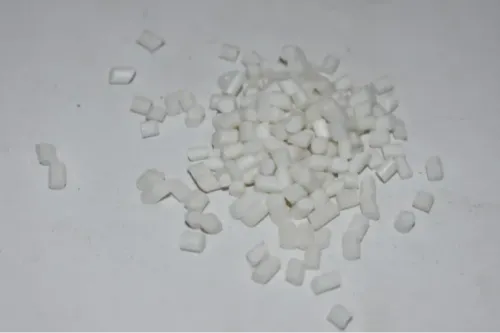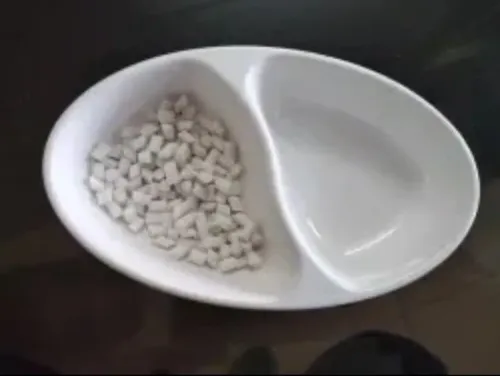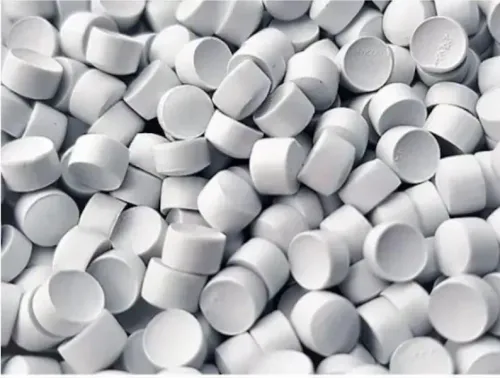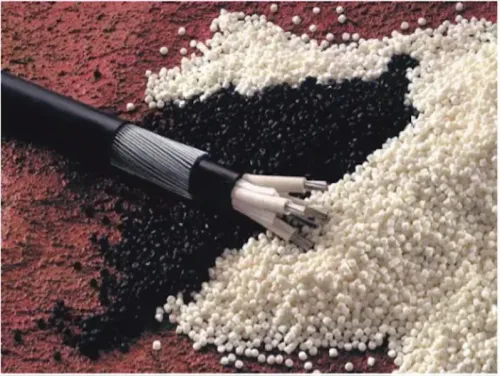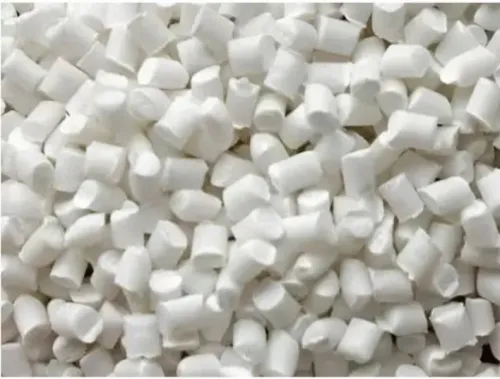
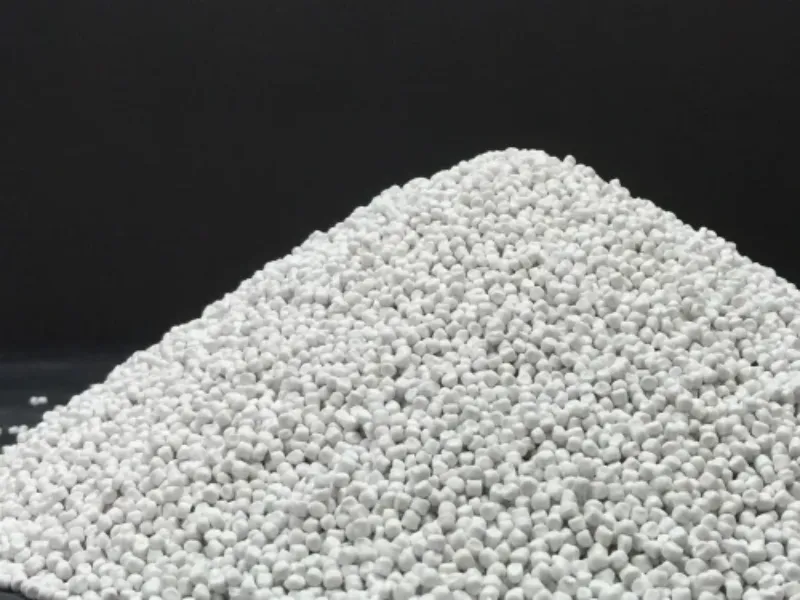
Raw-material cost matters in plastics manufacturing, but reducing material expenditure without understanding its effect on processing can be expensive. Calcium Carbonate Filler Masterbatch is used in suitable polymer applications to introduce mineral filler in a convenient concentrated form, yet its value depends heavily on compatibility and correct usage.
Manufacturers in Delhi considering filler masterbatch should evaluate it as part of the total formulation rather than simply comparing price per kilogram.
Understand the Base Polymer
Compatibility is the first purchasing consideration.
The carrier system and filler formulation should be suitable for the polymer being processed. A masterbatch designed for one material system should not automatically be introduced into another without technical evaluation.
Buyers should tell suppliers which polymer, grade, and production process they use.
Define Why You Are Adding Filler
Filler should have a clear purpose within the formulation.
Depending on the polymer and application, manufacturers may evaluate filler systems for formulation economics, rigidity, dimensional characteristics, processing behaviour, and other targeted properties.
The final result depends on the loading level and complete formulation.
Using the highest possible amount is not necessarily the most economical approach if it creates quality problems.
Calculate Cost in the Finished Product
A simple purchase-price comparison can hide downstream costs.
Suppose a cheaper filler masterbatch causes increased breakage, inconsistent surfaces, machine adjustments, or higher rejection. The apparent raw-material saving may then be outweighed by lost production.
A more meaningful evaluation includes:
- Masterbatch purchase cost
- Addition rate
- Processing output
- Energy implications where relevant
- Scrap and rejection
- Finished-product properties
- Customer acceptance
This provides a better picture of cost in use.
Test Dispersion and Surface Appearance
Uniform filler distribution contributes to consistent output.
During trials, inspect the finished product rather than focusing only on how the granules look. Surface quality, colour, dimensions, rigidity, flexibility, and other application-specific characteristics should be recorded.
For products with visible surfaces, even minor inconsistencies may matter.
Do Not Skip Mechanical Evaluation
Changing filler content can alter physical properties.
Manufacturers should verify whichever properties are important for the product instead of assuming the modified formulation will behave identically to the existing one.
Testing becomes especially important when the product performs a mechanical, structural, electrical, or safety-related function.
Ask Suppliers the Right Questions
Before approving a filler masterbatch, ask about its intended polymer applications, typical processing suitability, storage recommendations, batch consistency, and available technical information.
Also discuss whether the supplier can support repeat quantities if the trial succeeds.
Aim Plastic works with plastics manufacturers in Delhi requiring compounds, masterbatches, and related raw materials. Businesses evaluating Calcium Carbonate Filler Masterbatch can use production trials to determine whether a proposed grade suits their specific formulation.
Introduce Changes Gradually
A controlled trial is preferable to switching an entire production requirement immediately.
Establish a baseline with the existing formulation, introduce the proposed material under documented conditions, and compare the finished output.
If a different addition level is being investigated, change one variable at a time where practical. This makes the effect easier to understand.
Filler masterbatch can be commercially useful when applied appropriately, but successful purchasing requires more than finding a low-cost source. Polymer compatibility, controlled dosage, dispersion, processing performance, finished-product quality, and repeatability should all contribute to the buying decision.
Keywords