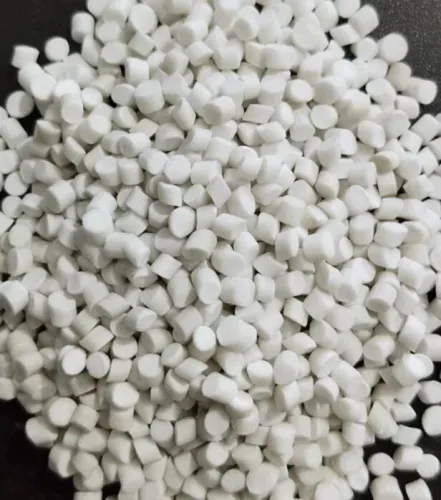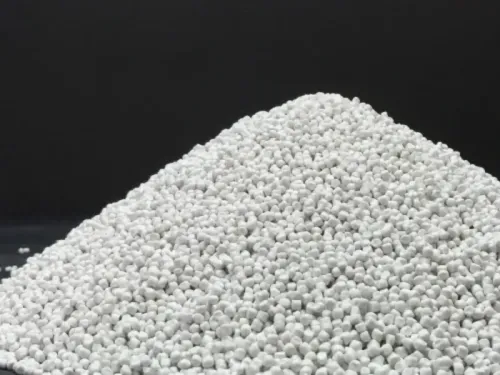

Cable manufacturers dealing with specialized fire-performance requirements need to treat material sourcing carefully. A ZHFR Compound Supplier should be evaluated not only on commercial terms but also on the supplier's ability to understand the intended cable construction, processing requirements, and relevant performance expectations.
ZHFR commonly refers to zero-halogen flame-retardant material systems. Because cable applications may be governed by specific standards and customer requirements, manufacturers in Delhi should avoid assuming that every material carrying a broad ZHFR description will suit every cable.
Begin With the Cable Specification
Supplier evaluation starts with a precise technical requirement.
The cable manufacturer should identify the relevant application, construction, processing method, and required tests before requesting material.
This may involve discussing:
- Cable type
- Insulation or sheathing application
- Processing method
- Required flame performance
- Mechanical expectations
- Temperature requirements
- Applicable standards
- Customer-specific specifications
The exact requirements will depend on the cable and its intended use.
Verify What the Material Documentation Covers
Technical documentation should be read carefully.
A datasheet can provide useful information about material characteristics, but manufacturers should distinguish between raw-material information and certification of the complete finished cable.
Finished cable performance can depend on conductor construction, wall thickness, geometry, processing conditions, and other components. A compound alone does not guarantee that the completed cable will satisfy every required test.
The cable producer should validate its finished construction appropriately.
Evaluate Processing Compatibility
Specialized compounds may behave differently from conventional cable materials.
Before commercial-scale adoption, processors should conduct trials on relevant production equipment. Extrusion behaviour, surface quality, dimensional control, temperature settings, and line stability should be observed.
Production personnel should document settings during successful trials so that they can establish a repeatable process window.
Review Consistency and Traceability
Specialized cable materials benefit from controlled procurement.
Buyers should ask whether batches can be identified and whether the supplier has procedures intended to maintain formulation consistency.
Incoming inspection may also be appropriate depending on the manufacturer's quality system and cable requirements.
Traceability becomes particularly useful if a finished-product test later identifies an unexpected variation.
Ask About Technical Support
The supplier's response to technical questions can reveal a great deal.
Does the company request application information before recommending a grade? Can it explain intended processing parameters? Can it provide relevant technical documents? Is it willing to investigate production feedback?
Aim Plastic serves industrial buyers in Delhi with PVC compounds, masterbatches, and specialized polymer material requirements. When assessing the company as a potential ZHFR Compound Supplier, cable producers should discuss the precise application and testing expectations before approving material.
Use a Structured Approval Process
A sensible supplier qualification sequence may include:
- Define technical requirements.
- Review available material documentation.
- Obtain a representative sample.
- Conduct controlled processing trials.
- Test the finished cable as required.
- Record approved processing conditions.
- Confirm commercial supply capability.
- Monitor repeat batches.
This approach provides considerably more confidence than selecting a compound based on terminology or price alone.
For cable manufacturers, specialized compounds form part of a larger engineered system. Careful supplier evaluation, documented testing, and consistent production control help ensure that material selection supports the intended cable design rather than becoming an uncontrolled variable.
Keywords