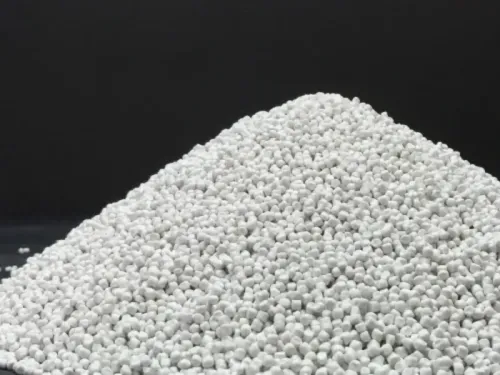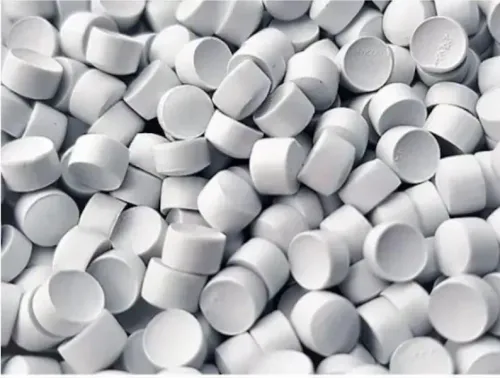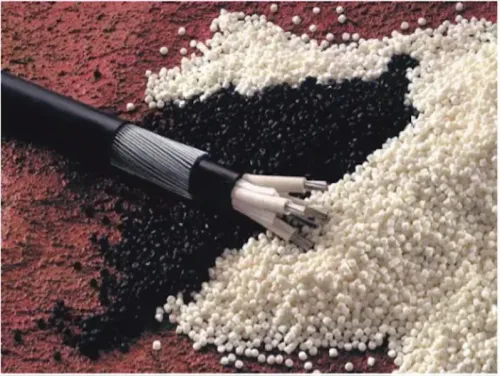

Manufacturers continually look for ways to control raw-material costs, but a lower purchase price is valuable only when the material remains suitable for the intended product. Reprocessed PVC Compound can be considered for selected manufacturing applications where its characteristics align with product requirements and applicable specifications.
For plastics manufacturers in Delhi, the key question is not simply whether reprocessed material is cheaper. The more useful question is whether it can provide sufficiently consistent performance for the particular application.
Understand What Reprocessed Material Means
Reprocessed PVC is produced from PVC material that has been recovered and processed for further use.
The characteristics of the resulting compound depend heavily on feedstock control, segregation, formulation, processing, contamination management, and quality practices.
This means two reprocessed materials sold under similar descriptions can perform quite differently.
Manufacturers should therefore evaluate actual material characteristics rather than making assumptions based on the category name.
Identify Suitable Applications Carefully
Not every product is an appropriate candidate for reprocessed material.
The decision should consider regulatory requirements, customer specifications, mechanical performance, appearance, electrical properties, safety requirements, and the expected service environment.
Products with tightly controlled performance requirements may need more stringent material qualification.
Manufacturers should never substitute material where doing so conflicts with an applicable standard or customer-approved specification.
Evaluate Consistency Before Price
One of the major considerations with reprocessed compounds is repeatability.
Variation in feedstock can potentially influence colour, hardness, processing, surface quality, and physical characteristics. A capable supplier should therefore have controls intended to manage input materials and compound consistency.
Before bulk procurement, processors should test representative samples.
Run Production Trials
Laboratory information is useful, but actual machine behaviour is equally important.
A trial should ideally use the same machinery, tooling, and approximate operating conditions planned for commercial production.
Monitor:
- Feeding consistency
- Processing temperature
- Flow behaviour
- Surface finish
- Colour
- Dimensions
- Flexibility or hardness
- Rejection rate
- Finished-product properties
Compare these observations against the currently approved material.
Calculate Real Manufacturing Savings
Assume a reprocessed compound has a lower purchase price. That difference does not automatically equal savings.
If the material increases scrap, reduces output, requires excessive adjustment, or creates customer rejection, its real cost can be higher than expected.
Manufacturers should calculate savings based on acceptable finished output rather than raw material entering the machine.
This approach provides a more realistic picture of ROI.
Know What to Ask a Supplier
Before moving from trial to routine procurement, ask about the source-control approach, batch consistency, available specifications, colour options, customization capability, order quantities, and repeat supply.
Aim Plastic works with manufacturing companies requiring PVC compounds, plastic granules, masterbatches, and related materials in Delhi. Businesses considering Reprocessed PVC Compound should clearly communicate the product application and conduct appropriate qualification before committing it to regular production.
Make the Decision Application by Application
Reprocessed PVC should neither be dismissed automatically nor treated as a universal replacement for other material.
Its suitability depends on what is being manufactured and what that product must achieve.
A company is ready to evaluate reprocessed compound when it has a defined product specification, measurable acceptance criteria, a controlled trial process, and the ability to test finished output.
With those controls in place, manufacturers can make a commercially informed decision based on actual performance. The strongest purchasing strategy balances material cost with consistency, processing efficiency, product quality, compliance requirements, and customer expectations rather than focusing on price alone.
Keywords