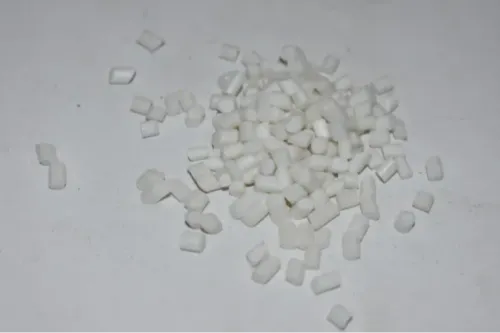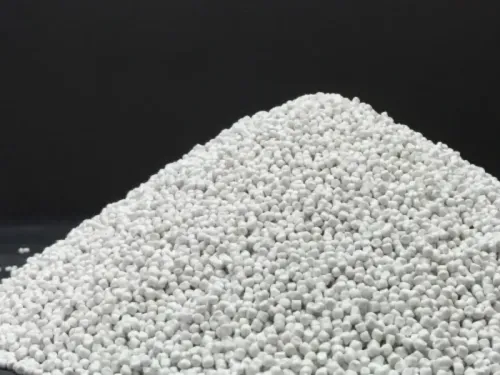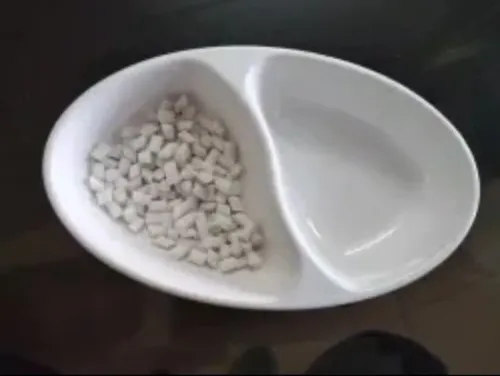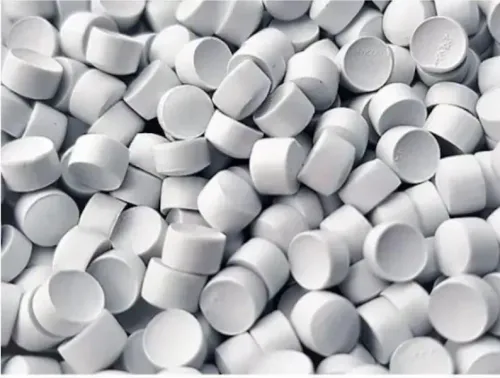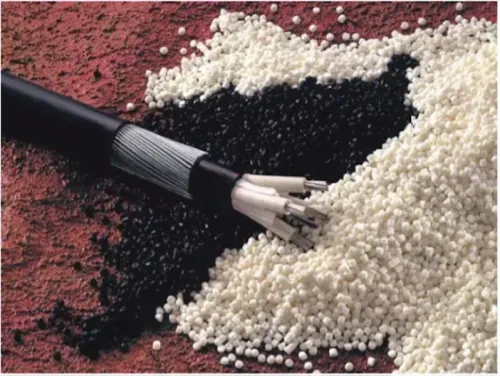
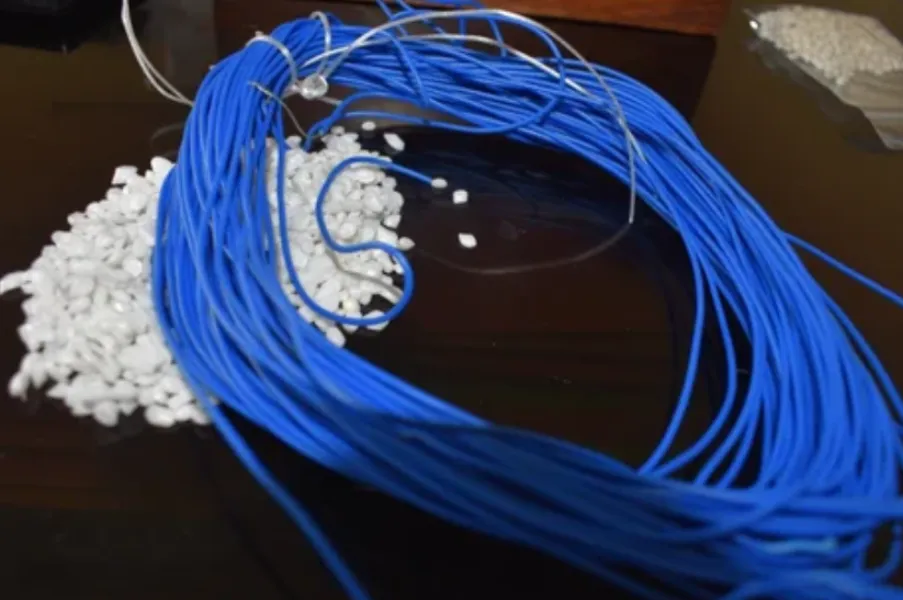
Cable manufacturers often investigate machine settings when extrusion quality becomes inconsistent. While equipment conditions are important, the formulation and suitability of PVC cable compounds can also have a significant influence on production behaviour.
A compound that is poorly matched to the cable application may create repeated processing adjustments, inconsistent appearance, or difficulty maintaining required product characteristics.
Manufacturers in Delhi can approach these issues more systematically by examining material and process conditions together.
Identify the Production Problem Clearly
Before changing raw material, define what is actually happening.
Common observations may include:
- Inconsistent surface appearance
- Difficulty maintaining dimensions
- Unexpected variation in flexibility
- Colour inconsistency
- Frequent extrusion adjustments
- Higher-than-normal rejection
- Differences between production batches
Each symptom can have several possible causes.
Replacing the compound without investigating the process may simply shift the problem rather than solve it.
Separate Material Issues From Process Issues
Start by checking whether production settings have changed.
Review the temperature profile, line speed, die condition, cooling system, feeding arrangement, and equipment maintenance.
If the same process performs differently after a material batch change, the compound deserves closer evaluation. If several materials show the same problem, machinery or process conditions may be more likely contributors.
This structured comparison can reduce unnecessary trial and error.
Match the Compound With Cable Construction
Cable applications differ in their technical requirements.
Flexible wire, round cable, submersible cable, equipment wiring, and other products may require different formulations.
When requesting a cable compound, manufacturers should provide information about:
- Cable type
- Intended application
- Required hardness
- Flexibility expectations
- Colour
- Processing equipment
- Existing production conditions
- Relevant technical specifications
A supplier cannot meaningfully match a grade when the only information provided is “PVC for cable.”
Use Trial Runs Effectively
A production trial should produce useful data rather than a simple pass-fail judgement.
Use a defined quantity and record machine settings. Compare the output with the existing approved material under similar conditions.
Inspect the finished cable according to relevant quality parameters.
If changes are made during the trial, record them. This helps determine whether improvements came from the compound, the machine adjustment, or a combination of both.
Consider Manufacturing Economics
Production efficiency should be included in material evaluation.
A lower-priced compound may become less economical if it contributes to slower processing, additional adjustments, increased scrap, or inconsistent finished output.
Conversely, a more suitable formulation can help a production team operate within stable processing conditions.
The relevant question is therefore not simply “What is the material price?” but “How does this material perform in our production environment?”
Build Better Supplier Communication
Aim Plastic manufactures PVC compounds, masterbatch, and plastic granules for industrial processing requirements.
When discussing PVC cable compounds with a manufacturer, share the production problem in specific terms. Instead of saying the material is “not working,” explain what the extrusion team observes, when the issue appears, and what has already been checked.
Better technical communication makes material evaluation more efficient.
Cable production problems rarely have a single universal solution. The strongest approach combines application-appropriate material selection, controlled extrusion settings, quality checks, and accurate production records.
When those elements are evaluated together, manufacturers can identify the real source of inconsistency and make more informed changes.
Keywords