Insulation failures often begin before the cable reaches the extruder: the compound may not match the conductor, wall thickness, voltage class, environment or processing line. By defining the right material specification, checking each incoming lot and validating a controlled extrusion trial, you can separate compound problems from equipment and process defects before full-scale production.
Key takeaways
- Specify granules by conductor size, insulation thickness, voltage, flexibility, and environment.
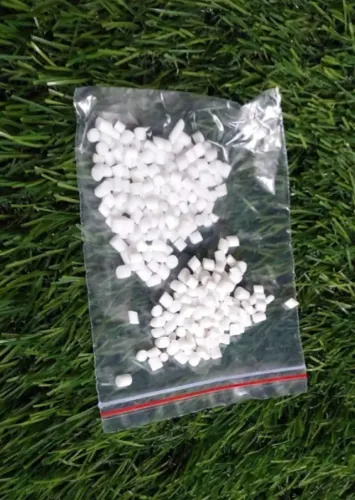
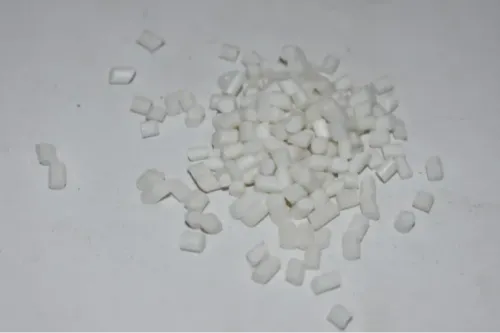
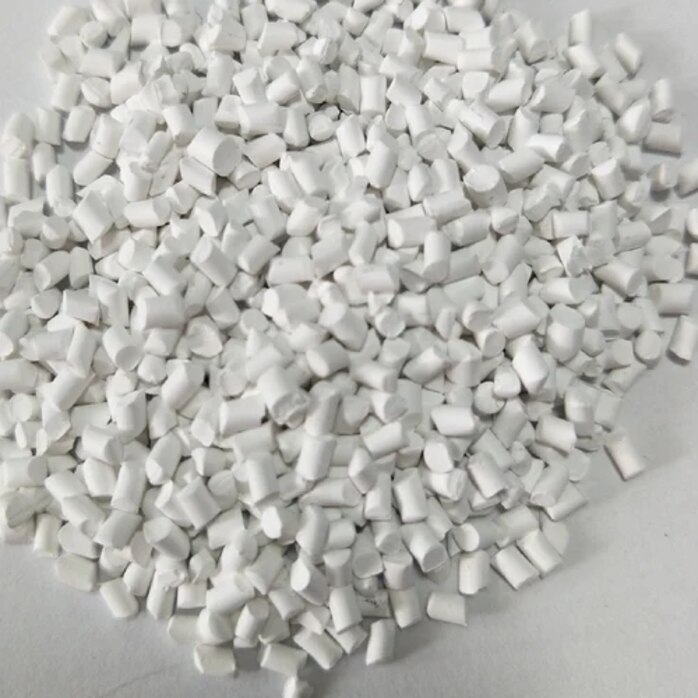
- Check lot identity, packaging, colour, moisture, contamination, and pellet consistency before feeding.
- Match compound flow and thermal behaviour to the extruder, die, screw, and line speed.
- Record trial settings and defect results in the supplier specification you approve.
Define the PVC cable granule by cable duty, not resin name
Select PVC cable granules by the finished cable’s duty, not by PVC resin name. The PVC compound specification must connect conductor size, insulation thickness, voltage rating, insulation grade, installation environment, and required flexibility.
Request these items in the compound specification:
- State the polymer K-value or molecular-weight range, plasticizer system and level, stabilizer package, flame retardant, filler, pigment, and density.
- Set targets for hardness, tensile strength, elongation, volume resistivity, dielectric strength, dielectric loss, and insulation resistance.
- Identify thermal stability, filler particle-size distribution, moisture control, and dispersion limits; excessive calcium carbonate can reduce elongation, flexibility, and electrical reliability.
- Name the applicable standard: IEC 60811 for cable insulation and cable sheath tests, IEC 60227 for suitable PVC-insulated cables, IEC 60502 for applicable power cables, and IEC 60332 for flame propagation.
Do not substitute a cable sheath grade for cable insulation. Insulation prioritizes dielectric performance, insulation resistance, elongation, and electrical aging; a sheath may need abrasion, tear, oil, sunlight, or flame resistance instead. Hardness and color alone prove neither duty nor insulation quality.
Approve the granule on process-representative extrudate or finished cable, checking dimensions, eccentricity, tensile strength, elongation after heat aging, low-temperature flexibility, and electrical results. A compound that looks glossy at high melt temperature can still lose insulation resistance or long-term elongation.
Check the incoming lot before it reaches the hopper
Release no PVC cable granules directly to the hopper. Quarantine the lot and complete an incoming-material checklist against the purchase specification, supplier paperwork, and the approved reference sample.
1. Verify the lot number, grade identification, manufacturing date, pack labels, seal, and packaging condition. Reject bags with water marks, tears, contamination, or mixed labels.
2. Match the certificate of analysis to the delivery. Check density, hardness, colour, bulk density, pellet dimensions, ash or filler content, and specified mechanical and electrical values.
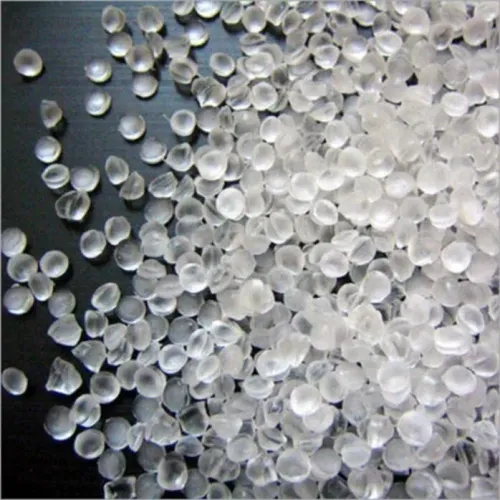
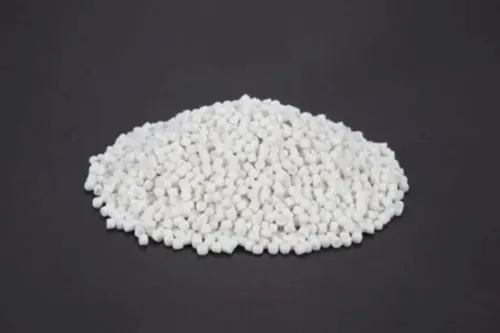
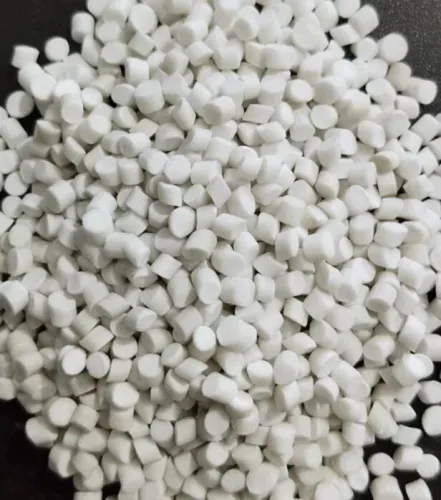
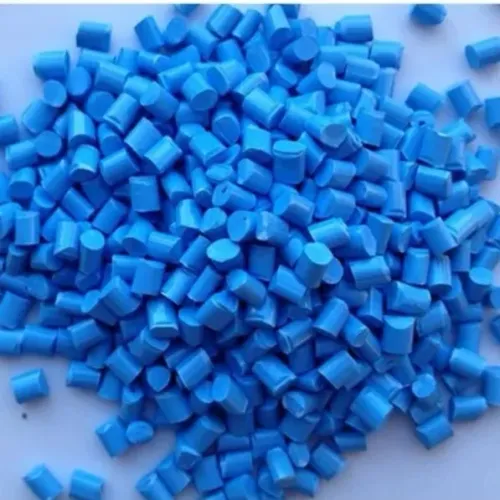
3. Open sealed bags only after they reach room temperature. Inspect pellet consistency for fines, agglomerates, discolouration, oiling, and uneven plasticizer distribution. Take representative test samples from several bags, not just the top layer.
4. Test moisture, density, hardness, bulk density, and ash or filler content against your approved limits. Run volume resistivity or another incoming electrical test when insulation performance is critical; moisture can cause bubbles, voids, and unstable readings.
5. Retain a labelled retained sample and attach results to the batch records. Compare the lot with previous deliveries to detect lot-to-lot variation before processing.
For European supply, request current, lot-traceable RoHS and REACH declarations. Treat both as separate checks: a RoHS statement does not prove REACH compliance, and neither replaces formulation or analytical evidence when restricted substances are in question.
Match the compound to the extrusion line and control the melt
Match the granules to the machine’s extrusion equipment, not just the resin label. Use this setup sequence:
- Check the screw design and solids conveying: confirm pellet feed remains steady at the intended screw speed.
- Match die geometry to line speed: the compound must fill the flow path without excessive die pressure or eccentricity.
- Balance cooling-water control with haul-off speed so the insulation sets before it is pulled out of shape.
- Set the barrel temperature profile and die temperature to achieve a measured melt temperature, not merely the displayed setpoints.
- Establish enough fusion for a homogeneous melt, then limit added shear and fusion residence time to protect thermal stability.
- Keep storage sealed and dry; use drying only when measured moisture justifies it, and validate the cycle against plasticizer loss.
- Permit regrind only at a validated percentage because uncontrolled regrind changes fusion, output, and electrical performance.
Judge the window on process-representative cable, not a laboratory plaque alone. Excessive melt temperature, screw speed, shear, or residence time can trigger dehydrochlorination, shown by yellowing, acid odor, black specks, rising die pressure, or declining elongation. Stop-and-restart procedures must also prevent overheated material from sitting in the barrel.
Use process trials to diagnose insulation defects
Do not blame the compound until a controlled trial separates material, tooling and settings. Hold the conductor, die, screw speed, melt temperature, cooling and line speed constant; change one variable at a time. A defect that follows the lot points to compound, while one that follows hardware or settings points elsewhere.
1. Treat rough insulation, die drool, scorch specks, yellowing, browning, hydrochloric-acid odor, black specks and rising die pressure as thermal or contamination clues. Compare a fresh lot at lower melt temperature and shorter residence time, then inspect the screen pack, screw and die for degraded material.
2. For bubbles, voids and pinholes, check pellet consistency, trapped air, venting and melt fusion before changing the die. Cut the insulation open: repeated internal voids suggest material or venting trouble, while marks at one clock position suggest tooling damage or contamination.
3. Separate eccentricity from ovality and wall-thickness variation with continuous capacitance monitoring and diameter monitoring. If the thin spot rotates or shifts, check die alignment, drawdown and melt-pressure stability; if it tracks the cooling path, correct uneven cooling. Persistent conductor exposure or shrink-back requires a tooling and process review.
4. Use spark testing to locate discrete insulation defects, not to prove adequate thickness or long-term electrical performance. Confirm the finished cable with insulation resistance, tensile and elongation, heat aging, low-temperature behavior, and flame propagation testing against IEC 60332.
Approve the compound only after a process-representative extrudate passes these checks; a laboratory plaque cannot reveal line-specific defects.
Turn the approved trial into a repeatable supplier specification
A successful line trial becomes a purchasing control only when you record the complete compound specification, not just the supplier’s grade name. Require polymer range, plasticizer system and level, stabilizer package, filler loading, calcium carbonate dispersion, density, hardness, tensile and elongation limits, and the applicable cable standard.
Use one retained sample from the approved trial and make the supplier match it for every later lot. Write an approval test, fixed trial length, defined release criteria, and batch traceability into the purchase specification:
- Test primary insulation for insulation resistance, volume resistivity, dielectric strength, tensile and elongation after heat aging, and plasticizer extraction.
- Add oil resistance and sunlight resistance when the cable environment demands them; do not use a sheath-grade result to approve insulation.
- Record moisture, density, melt appearance, colour, filler loading, and calcium carbonate dispersion.
- Prohibit unapproved regrind, or set a stated maximum percentage and require separate lot identification.
| Control | Release requirement | Failure consequence |
|---|---|---|
| Electrical | Meet agreed insulation resistance, volume resistivity, and dielectric strength limits | Reject the lot before production |
| Physical aging | Meet tensile and elongation limits before and after heat aging | Insulation can crack or lose flexibility |
| Chemical exposure | Pass plasticizer extraction and oil resistance tests where specified | Plasticizer loss can cause shrinkage or brittleness |
Whether you assess Aim Plastic or another cable-grade PVC supplier, compare each lot with the retained sample and investigate deviations before changing the line settings. Never accept a replacement formulation under the old approval.
Related product
 | PVC Cable Compound Aim Plastic has established itself as one of Delhi's leading PVC cable compound manufacturers, producing specialized formulations that meet the... View product → |
Frequently asked questions
What information should define a PVC cable granule specification?
Define the finished cable’s conductor size, insulation thickness, voltage rating, insulation grade, installation environment, and required flexibility rather than naming only the PVC resin.
What should you check before loading a PVC compound lot into the hopper?
Check the lot identity, packaging condition, seal, colour, pellet uniformity, contamination, moisture, and the supplier’s quality documents before feeding the material.
How do you match PVC cable granules to an extrusion line?
Compare the compound’s processing behaviour with the line’s screw, barrel, die, melt temperature, line speed, cooling arrangement, and puller settings, then control the melt during a trial.
How can extrusion trials diagnose PVC insulation defects?
Record the defect location and appearance alongside melt temperature, pressure, line speed, haul-off, die condition, cooling, and spark-test results; change one process variable at a time.
What belongs in an approved PVC cable granule supplier specification?
Document the approved compound grade, cable duty, lot checks, trial settings, acceptable insulation results, defect limits, test method, packaging, traceability, and change-approval process.