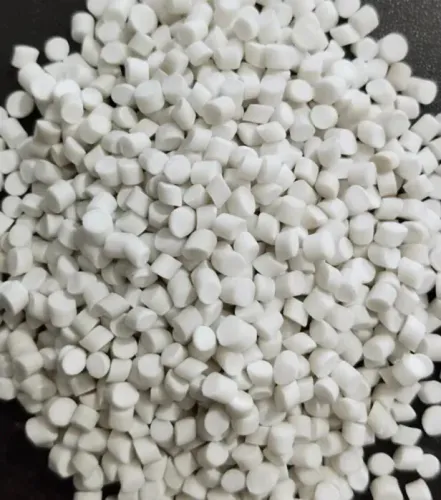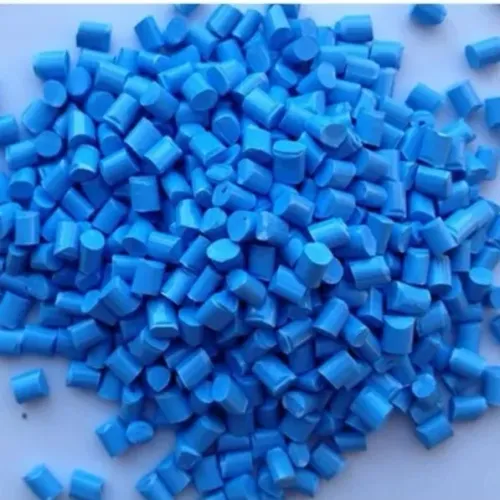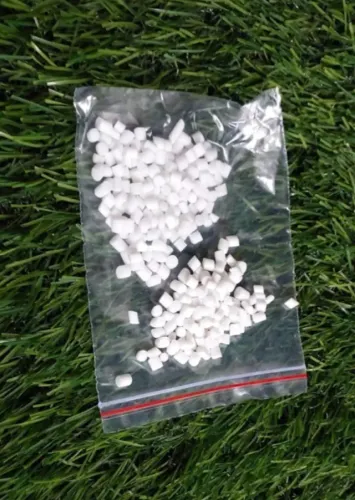
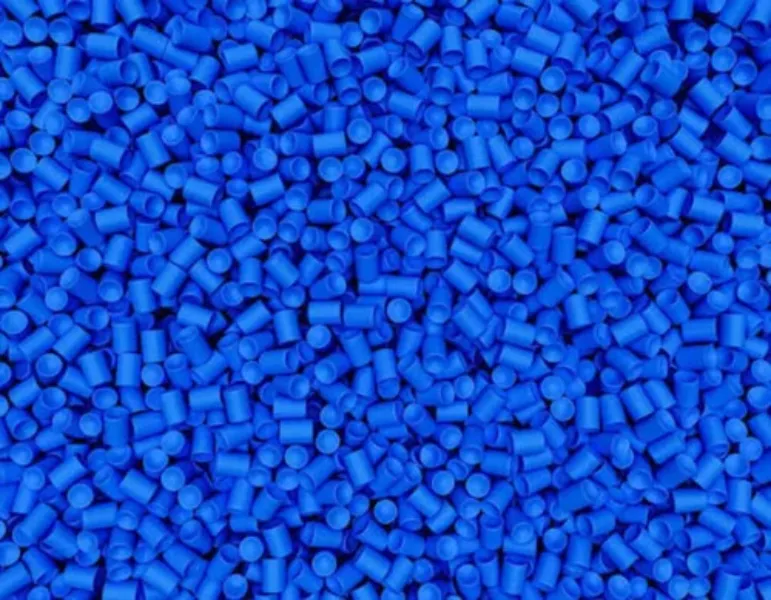
Blue is used across cables, profiles, moulded components, packaging-related products, and numerous industrial plastic applications. Yet achieving the same shade consistently across repeated production runs can be challenging without a suitable PVC Blue Masterbatch and controlled processing practices.
Colour variation may come from the masterbatch, base material, dosage, contamination, temperature, or product thickness.
Manufacturers in Delhi sourcing colour masterbatch for ongoing production should therefore evaluate more than the initial visual shade.
Define the Required Blue Shade
“Blue” is not a complete colour specification.
There are many possible blue shades, and even relatively small differences may be visible when finished components are compared side by side.
Provide a useful colour reference whenever possible. This might be an approved product sample, a recognised colour reference, or another agreed specification.
The closer the reference represents the actual finished product, the more meaningful the colour-matching process becomes.
Share the Base Material
A colour masterbatch should be evaluated with the material in which it will actually be processed.
The natural colour and formulation of the base compound can influence the final shade.
Manufacturers should therefore identify the PVC material and explain the intended manufacturing process before approving a colour.
A masterbatch that produces the desired blue in one base formulation may look different in another.
Test the Correct Addition Level
Dosage affects both colour strength and production economics.
Instead of increasing masterbatch until the colour looks sufficiently strong, conduct controlled trials at defined addition levels.
Record the dosage used for the approved sample and establish a repeatable dosing procedure for production.
Accurate dosing is especially important where several operators or machines manufacture the same product.
Watch for Colour Variation During Processing
If the shade changes during a production run, examine the process systematically.
Check:
- Dosing consistency
- Material mixing
- Processing temperature
- Residual material from previous colours
- Base compound variation
- Product thickness
- Masterbatch batch identification
This prevents production teams from assuming every colour issue comes from pigment concentration.
Evaluate Dispersion in the Finished Product
Uniform colour requires effective pigment distribution.
Inspect the finished product for streaks, spots, uneven shade, and other visible inconsistencies.
If these appear, review material compatibility and processing conditions before changing the formulation.
Equipment cleanliness can be particularly important when factories manufacture products in several colours.
Ask About Repeat Supply
For OEMs and manufacturers producing the same product over an extended period, repeatability is critical.
A successful first batch has limited value if later supplies produce noticeably different shades.
Aim Plastic manufactures PVC compounds and masterbatch for industrial processing applications.
Buyers evaluating PVC Blue Masterbatch should discuss the approved shade, base PVC material, application, processing method, dosage expectations, and regular quantity requirement.
A strong colour approval process combines an accurate reference with controlled production trials. Once the shade has been approved, manufacturers should preserve the relevant formulation and processing records.
This helps production teams reproduce the required blue more consistently instead of attempting to match the colour from memory during every manufacturing run.
Keywords