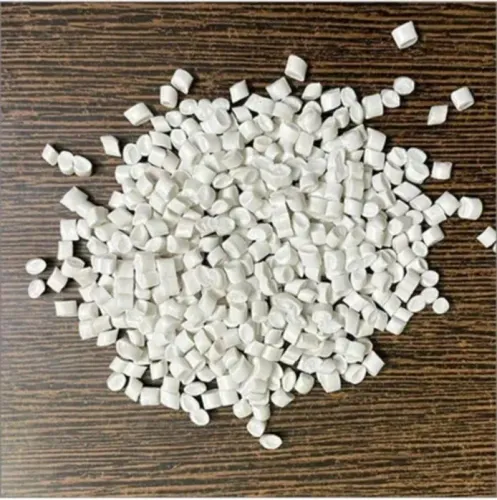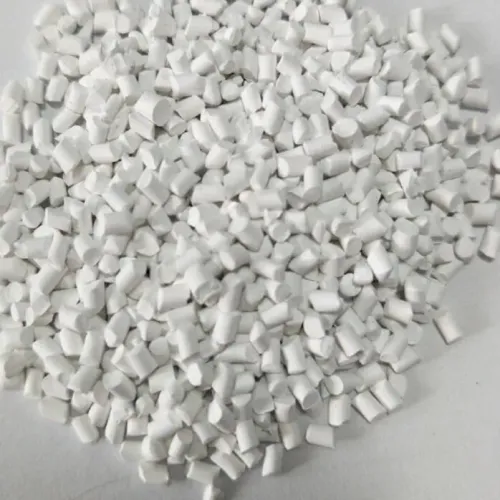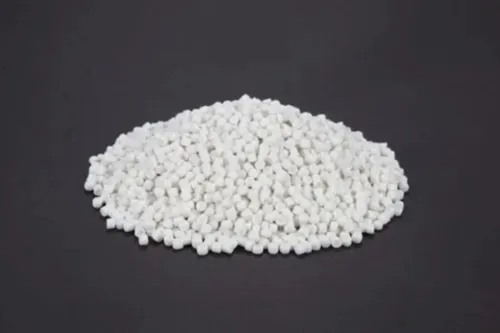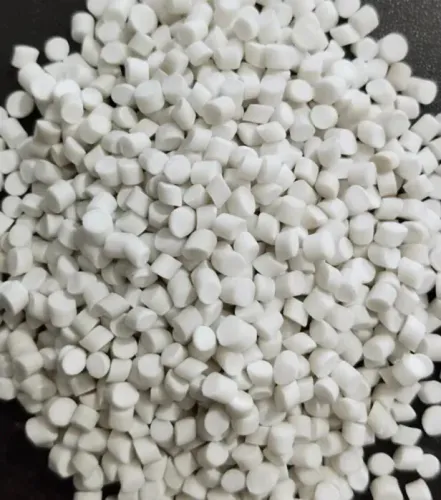
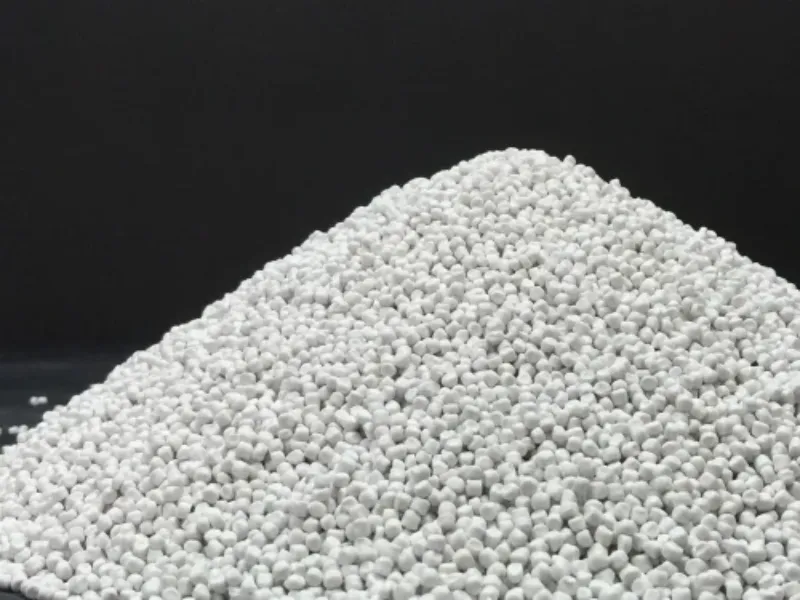
Controlling raw material cost while maintaining acceptable processing and product characteristics is an ongoing concern for plastic manufacturers. Calcium Carbonate Filler Masterbatch is commonly considered in suitable applications where processors want to introduce mineral filler into a polymer system in a controlled and convenient form.
However, filler masterbatch should not simply be added at an arbitrary percentage. Its suitability depends on the base polymer, processing method, finished product, and performance requirements.
Manufacturers and polymer processors in Delhi can make better decisions by understanding what filler masterbatch actually contributes to production.
What Is Filler Masterbatch
A filler masterbatch generally combines mineral filler with a carrier system and other formulation components suitable for processing.
Calcium carbonate is widely used as a mineral filler in plastics. Converting it into masterbatch form can make handling and dosing more convenient for many processing environments compared with directly handling fine powder.
The actual effect on a finished product depends on formulation and addition level.
Why Manufacturers Use Filler Masterbatch
The reasons vary by application.
Manufacturers may evaluate filler masterbatch for:
- Material formulation optimisation
- Modification of certain physical characteristics
- Improved handling of mineral filler
- Processing requirements
- Cost management in suitable applications
- Achieving specific product characteristics
These benefits should always be considered alongside the requirements of the finished product.
Adding more filler is not automatically better.
Addition Level Needs Careful Evaluation
One of the most important decisions is how much masterbatch to use.
A suitable level depends on the polymer, product design, processing conditions, and properties that must be retained.
Excessive filler loading in an unsuitable application may negatively influence characteristics such as flexibility, impact behaviour, surface quality, or other mechanical properties.
Production trials are therefore valuable when changing formulations.
Processors can compare the existing formulation with different controlled addition levels and evaluate both manufacturing behaviour and finished-product performance.
Dispersion Matters
Uniform filler distribution is important.
Poor dispersion can contribute to inconsistent appearance and properties. Masterbatch quality, mixing, processing conditions, and equipment configuration all influence how effectively the filler is distributed through the polymer.
Manufacturers should consider not only filler percentage but also how the material behaves throughout the processing system.
Filler Masterbatch and Calcium Carbonate Powder Are Not Identical Choices
Both approaches introduce calcium carbonate into plastic formulations, but their handling and processing characteristics differ.
Powder can provide direct formulation flexibility, particularly for compounders with appropriate mixing and dosing systems.
Masterbatch provides calcium carbonate in a pre-dispersed pelletised system, which can simplify handling for certain processors.
The better option depends on production infrastructure and formulation strategy.
Evaluate the Finished Product First
Before introducing a filler masterbatch, processors should establish which characteristics cannot be compromised.
Consider questions such as:
- What is the finished product?
- Which polymer is being processed?
- Which mechanical properties are required?
- What surface finish is expected?
- Which processing method is being used?
- What filler level has already been tested?
These questions make supplier discussions more productive.
Aim Plastic manufactures PVC compounds, masterbatch, and plastic granules for industrial customers and processors.
For manufacturers evaluating Calcium Carbonate Filler Masterbatch, the practical objective should be formulation balance rather than maximum filler loading. A controlled approach based on trials, processing behaviour, and finished-product requirements helps determine whether the material is appropriate and what addition level works for the specific application.
Keywords