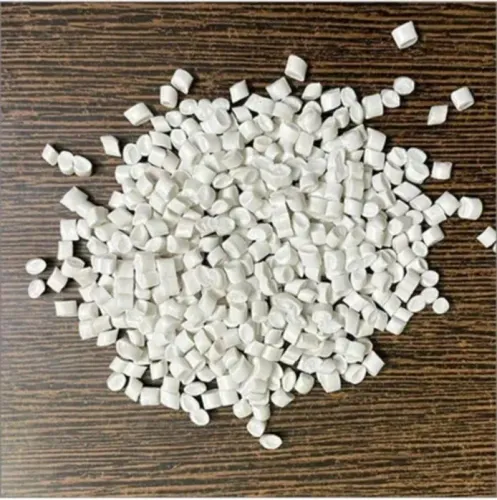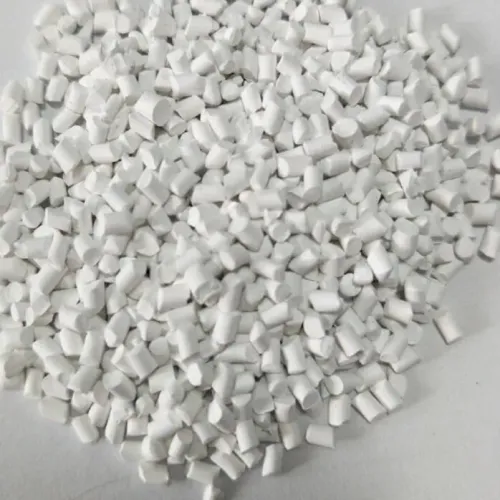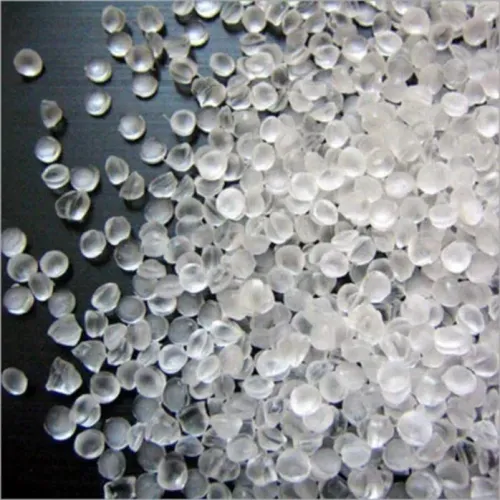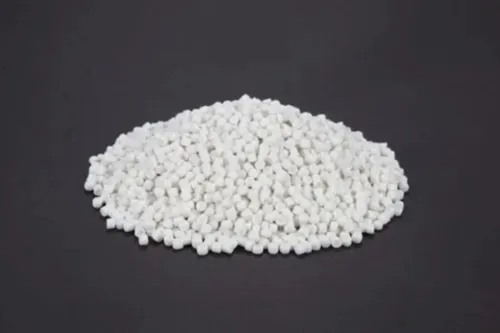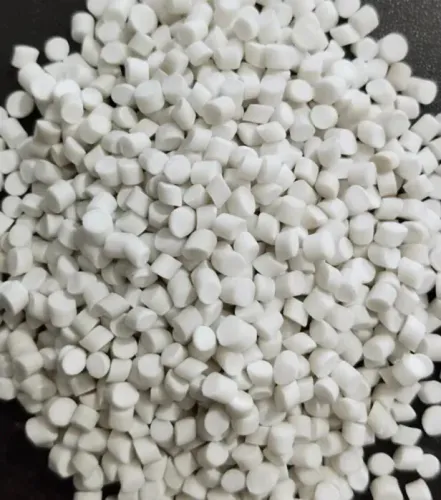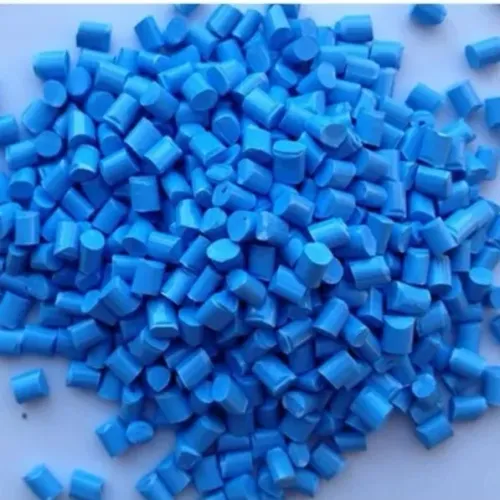
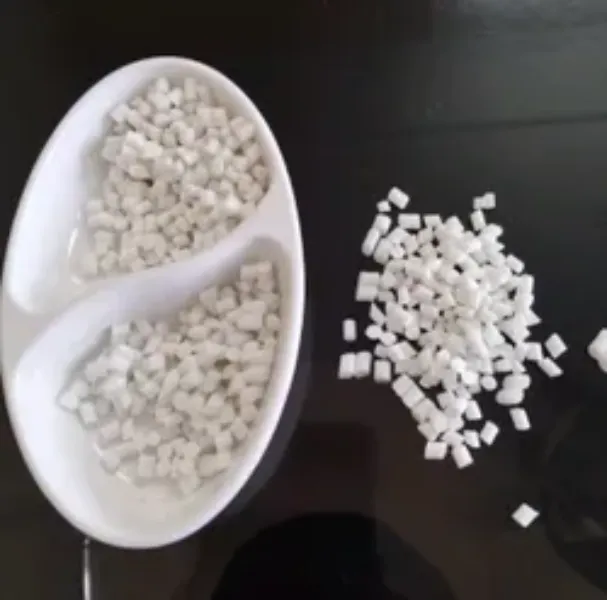
The outer insulation and sheathing of a cable play an important role in protecting the conductor and supporting the cable's intended use. For this reason, manufacturers need to understand how PVC Cable Wire Granules influence processing, flexibility, surface quality, and finished cable characteristics.
PVC remains widely used in wire and cable manufacturing because its properties can be adjusted through formulation. However, different cable applications require different compound characteristics.
Manufacturers operating in Delhi and supplying electrical markets across India need to match the PVC grade with the actual cable design rather than treating all cable granules as interchangeable.
The Role of PVC in Cable Production
PVC compounds can be formulated for insulation and sheathing applications. The exact formulation depends on factors such as cable type, operating conditions, flexibility requirements, and processing parameters.
During extrusion, the compound must process consistently around the conductor. Stable material flow can support uniform coverage and help manufacturers maintain production efficiency.
The finished compound may also need characteristics such as:
- Suitable flexibility
- Consistent hardness
- Required electrical properties
- Good surface finish
- Appropriate mechanical strength
- Stable processing behaviour
The priorities depend on the cable specification.
Why Granule Consistency Is Important
Cable extrusion is a continuous manufacturing process. Variations in raw material can therefore affect a large production batch.
If granules behave differently from batch to batch, operators may need frequent machine adjustments. This can affect productivity and potentially increase scrap.
Consistent granule size, formulation, and processing characteristics help manufacturers maintain more predictable extrusion conditions.
This becomes particularly important for businesses handling regular production volumes.
Different Cables Need Different Formulations
A common material-selection mistake is assuming that a general PVC compound can be used for every wire application.
The requirements of flexible wires, round cables, submersible cables, electrical equipment wiring, and other cable categories can differ considerably.
Before choosing the material, manufacturers should identify:
- Cable construction
- Insulation thickness
- Required flexibility
- Operating environment
- Processing speed
- Colour requirement
- Relevant product specifications
This information helps determine which PVC compound characteristics are suitable.
Processing Conditions Also Influence Results
Raw material is only one part of cable quality.
Extrusion temperature, screw configuration, line speed, cooling conditions, die design, and operator control can influence the final result.
For example, an otherwise suitable compound may not produce the expected surface finish if the processing temperature is poorly controlled.
Manufacturers should therefore establish appropriate processing parameters for each material grade rather than applying identical settings to every compound.
Material Selection Should Begin With the Cable
Industrial procurement teams often compare PVC materials primarily on price. Cost is important, but the lowest raw material price does not automatically produce the lowest manufacturing cost.
Processing interruptions, excessive rejection, inconsistent output, and unnecessary material consumption can influence overall production economics.
Aim Plastic manufactures PVC compounds and related plastic materials for industrial processing requirements, including applications connected with wire and cable production.
When evaluating PVC Cable Wire Granules, manufacturers should discuss the actual cable application, required characteristics, processing method, and production expectations.
A cable compound is most useful when it supports both manufacturing efficiency and the intended performance of the finished cable. Selecting material according to application rather than generic descriptions provides a stronger foundation for consistent wire and cable production.
Keywords