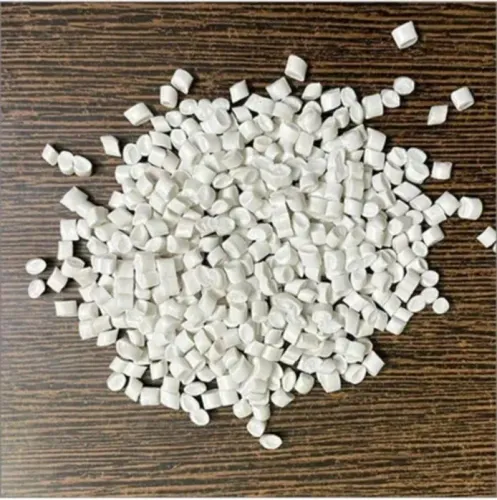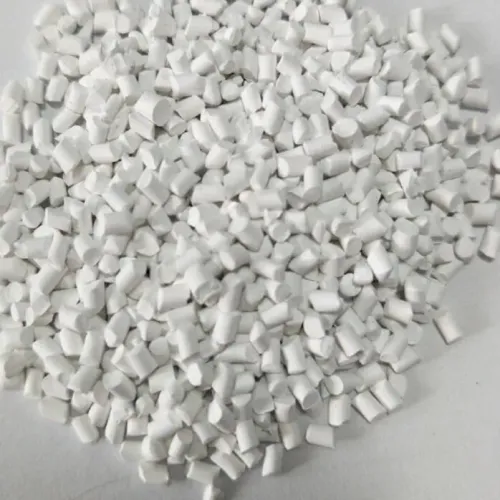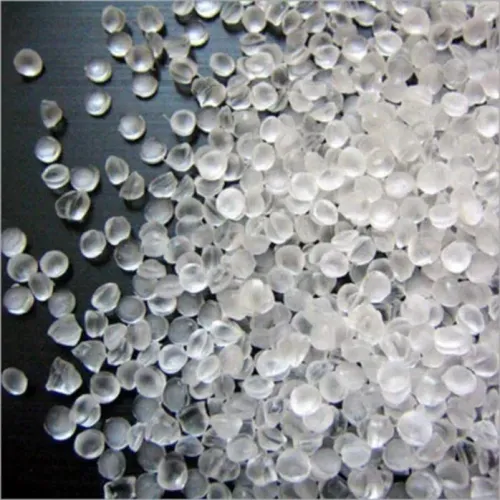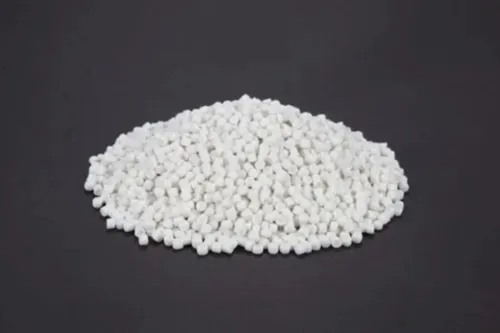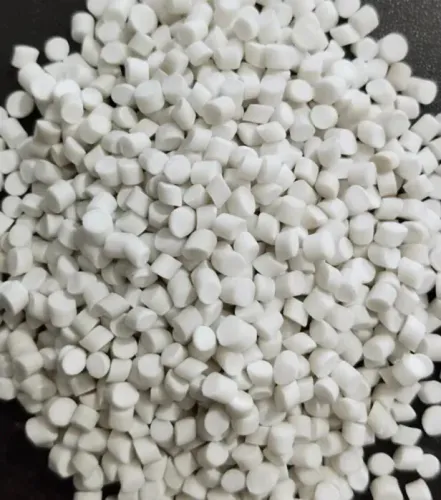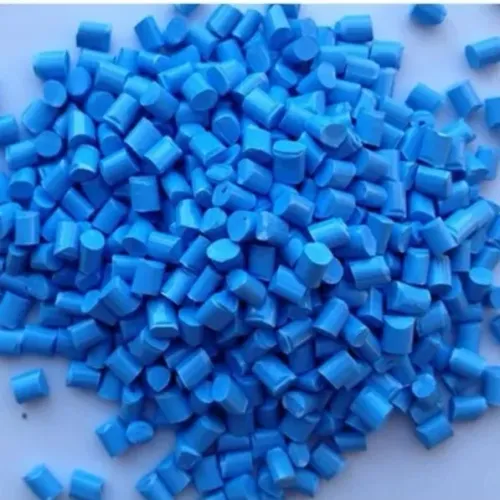
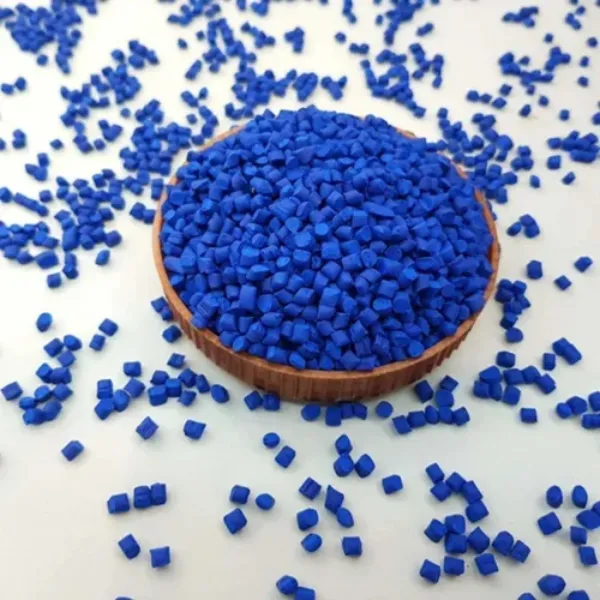
Colour consistency can affect product identification, appearance, branding, and production quality. For manufacturers processing PVC, choosing a suitable PVC masterbatch requires more consideration than selecting a colour from a visual sample.
The masterbatch must work effectively with the base material and processing conditions while producing the expected colour at an appropriate addition level.
For plastics processors in Delhi, a systematic evaluation can reduce colour variation and unnecessary production adjustments.
Start With the Base Material
The same masterbatch may not produce identical results in every polymer formulation.
Manufacturers should identify the base PVC compound, its natural colour, additives, processing characteristics, and the intended finished product.
This is particularly important when trying to reproduce a specific shade.
The appearance of a colour in a sample chip can differ from the appearance in an actual manufactured component because thickness, surface texture, and base material influence visual perception.
Evaluate Colour Consistency
A masterbatch should be assessed across production rather than from one isolated sample.
Processors can compare finished products from different batches under consistent viewing conditions.
Where colour matching is critical, appropriate measurement methods can provide more objective evaluation than visual inspection alone.
Consistency is particularly important for manufacturers supplying components that need to match across repeat orders.
Consider Dispersion
Pigments need to distribute effectively through the processed material.
Poor dispersion may contribute to uneven colour, streaking, specks, or inconsistent appearance.
Masterbatch formulation, dosing, mixing, processing temperature, and equipment condition can all influence dispersion.
If colour inconsistency appears during production, manufacturers should therefore investigate the complete process rather than immediately increasing the masterbatch dosage.
Establish an Appropriate Addition Rate
More masterbatch does not necessarily mean better colour performance.
The required dosage depends on pigment concentration, base material, target shade, product thickness, and processing method.
Controlled trials can help determine a practical addition level.
Once an approved ratio has been established, accurate dosing becomes important for maintaining repeatability between production runs.
Account for Processing Temperature
Colour can be influenced by processing conditions.
Manufacturers should operate within appropriate temperature ranges for the compound and masterbatch system being processed.
Unexpected colour changes may indicate a need to review temperature settings, residence time, contamination, material compatibility, or other processing variables.
Keep Equipment Clean During Colour Changes
Colour contamination is a common operational issue in factories producing several shades.
Residual material inside hoppers, mixers, extruders, and related equipment can affect subsequent production.
A documented cleaning and colour-change procedure can help minimise contamination, particularly when moving from dark colours to lighter shades.
Communicate the Actual Colour Requirement
Aim Plastic manufactures PVC compounds and masterbatch for different industrial processing requirements.
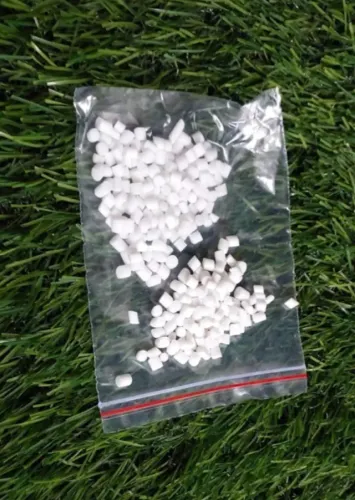
When requesting PVC masterbatch, manufacturers should provide a physical reference, approved colour specification, sample product, or other useful matching information where available.
It is also helpful to explain the base material, manufacturing process, product thickness, and expected production volume.
Masterbatch selection becomes more reliable when colour is treated as part of the complete manufacturing process. Base material, dosage, dispersion, processing temperature, equipment cleanliness, and finished-product geometry can all influence the final result.
Evaluating these factors together helps manufacturers maintain more consistent colour across routine production.
Keywords