Mineral fillers play an important role in many industrial formulations, but selecting calcium carbonate powder for plastic manufacturing requires attention to more than price and availability.
Particle characteristics, purity, compatibility, dispersion, processing method, and the required properties of the finished product can all influence whether a particular grade is suitable.
For compounders and plastic processors in Delhi, clearly defining the intended application is an important first step before purchasing bulk material.
Understand Where the Powder Will Be Used
Calcium carbonate is used across a range of industrial formulations, including suitable plastic and PVC processing applications.
However, requirements can differ according to whether the buyer is compounding PVC, preparing a filler system, producing profiles, manufacturing moulded products, or processing another plastic formulation.
The intended application should therefore be communicated before comparing material options.
Evaluate Relevant Material Characteristics
Different applications may place different importance on powder characteristics.
Buyers may need to consider:
- Particle size
- Particle size distribution
- Moisture
- Purity
- Whiteness where relevant
- Surface characteristics
- Dispersion behaviour
- Compatibility with the formulation
Not every property needs to be maximised. The objective is to select characteristics appropriate for the production process and finished product.
Compare Powder With Filler Masterbatch
Processors sometimes need to decide whether to use calcium carbonate directly as powder or through a filler masterbatch.
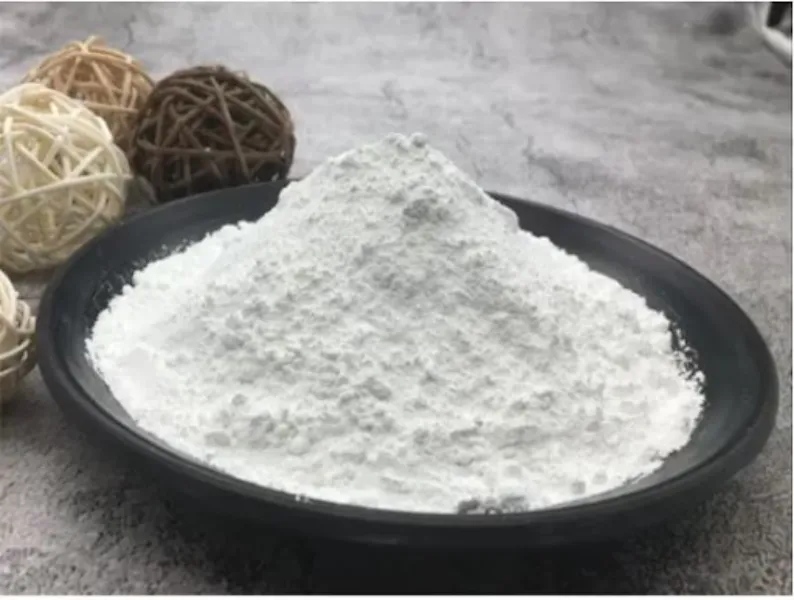
Direct powder can be suitable for manufacturers with appropriate compounding, mixing, feeding, and dust-handling systems. It can also provide flexibility when developing formulations internally.
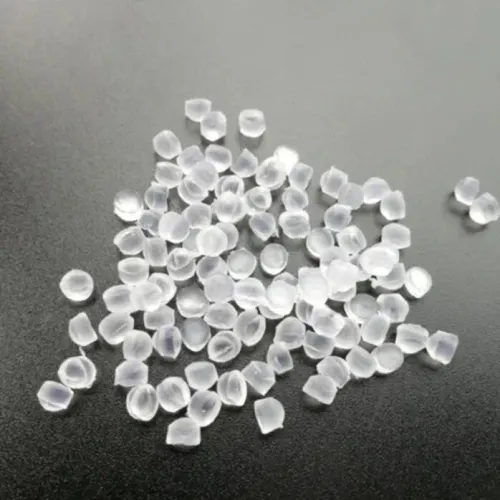
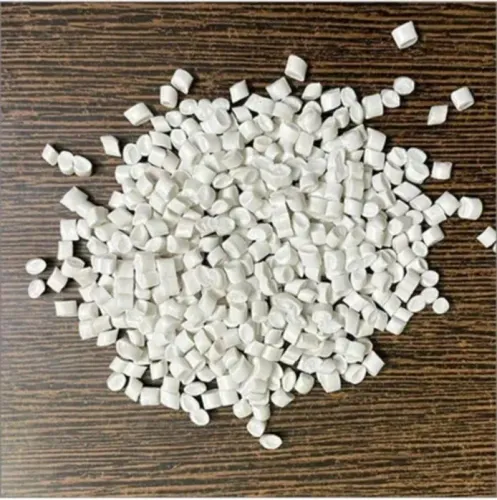
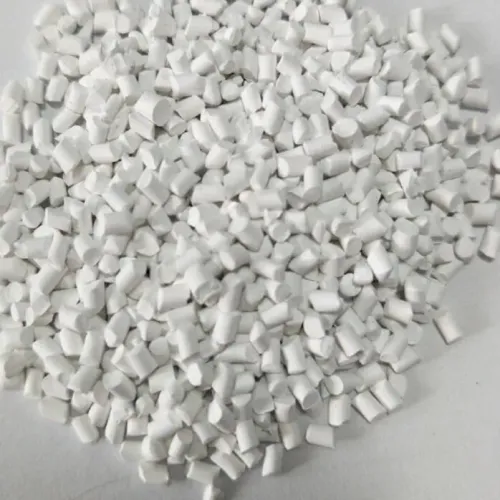
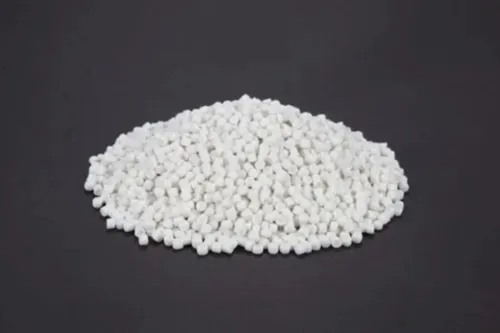
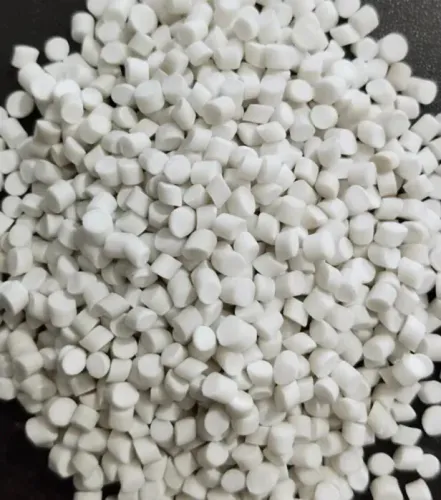
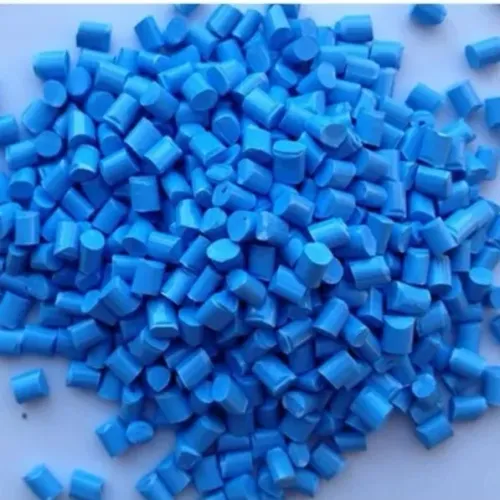
Filler masterbatch provides mineral filler in pelletised form with a carrier system, which may simplify handling and dosing for certain processing operations.
The correct approach depends on factory infrastructure and formulation requirements.
Consider Dispersion During Processing
Introducing a filler does not automatically mean it will distribute uniformly.
Mixing equipment, processing conditions, formulation, particle characteristics, and addition level all influence dispersion.
Poor distribution can affect the consistency of the finished product.
Manufacturers developing a new formulation should use controlled trials rather than immediately introducing large quantities into routine production.
Calculate Cost Beyond Purchase Price
A low material price can appear attractive for high-volume manufacturing, but procurement teams should consider the complete processing impact.
Handling requirements, storage, dosing accuracy, production cleanliness, mixing efficiency, and finished-product rejection can all influence overall economics.
For some manufacturers, direct powder is the practical choice. For others, masterbatch may offer operational advantages.
The calculation should reflect the actual factory environment.
Discuss Quantity and Supply Requirements
Industrial buyers should clarify expected monthly usage and packaging requirements when evaluating a supplier.
Delhi is a major manufacturing and trading market with supply connections to industrial clusters across North India, making inventory planning particularly relevant for processors serving customers outside the city as well.
Aim Plastic operates in the PVC compounds, masterbatch, and plastic granules manufacturing sector and supports industrial material requirements.
When evaluating calcium carbonate powder for a plastic formulation, buyers should share their processing method and intended end product rather than relying only on a generic grade description.
The most suitable material is the one that fits the formulation, equipment, quality requirements, handling system, and production economics together. A controlled technical evaluation can help determine that fit before moving to regular-volume procurement.
Keywords