Choosing a dependable PVC compound manufacturer can directly affect procurement planning and production consistency. For cable manufacturers, extrusion companies, moulders, OEMs, and plastic product businesses, raw material is not simply an input purchased at the lowest available rate. It must work within established manufacturing conditions and support the intended finished product.
Industrial buyers in Delhi should therefore evaluate technical suitability and supply capability together before approving a manufacturer.
Check Application Understanding
A useful supplier discussion should begin with the product you manufacture.
If a company recommends a material without asking about the application, processing method, required properties, colour, hardness, and end-use conditions, the recommendation may be too general.
PVC formulations can vary significantly according to application.
Buyers should look for a manufacturer that can discuss material requirements in relation to the finished product.
Review the Available Material Categories
Manufacturers often require more than one PVC-related material.
Depending on the business, procurement requirements may include:
- PVC cable compounds
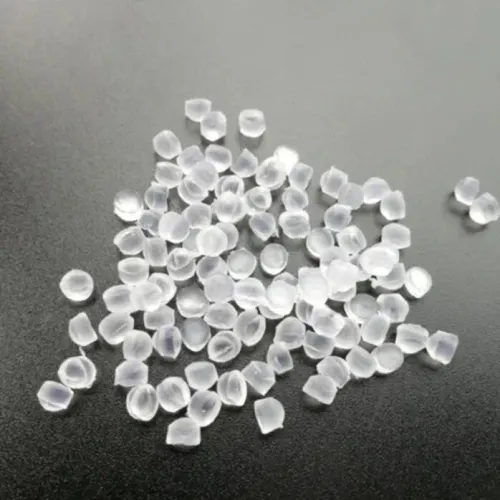
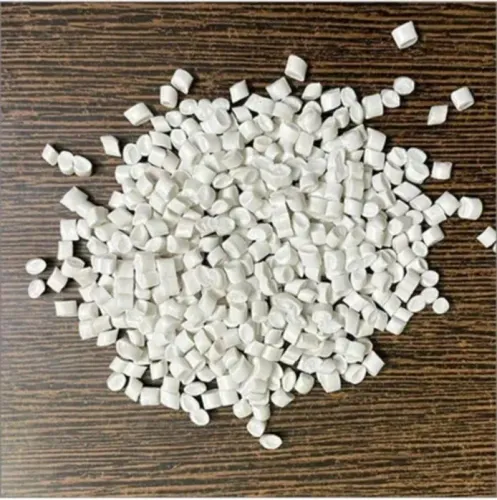
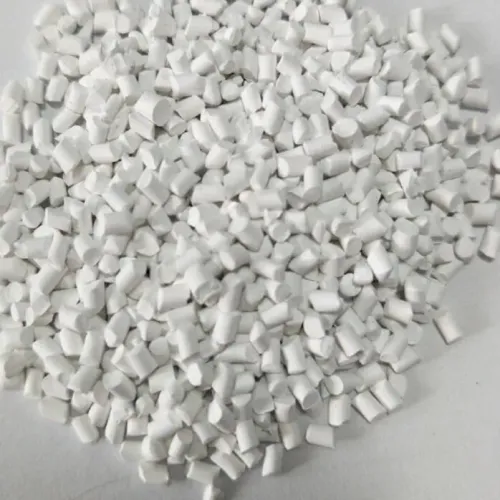
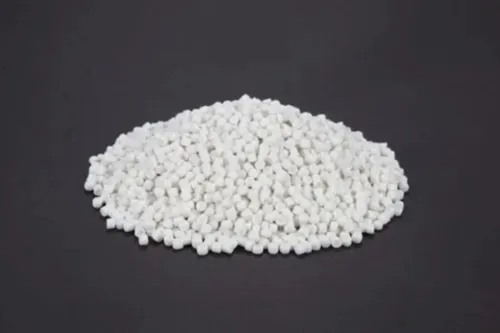
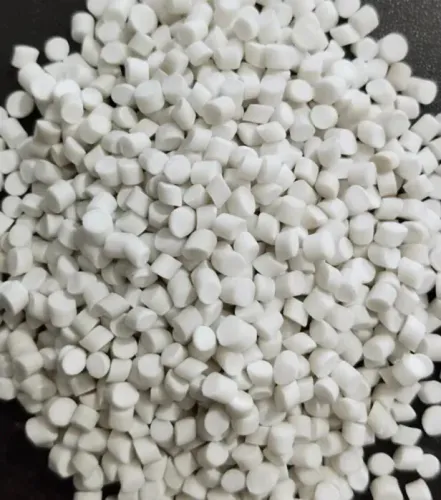
- PVC plastic granules
- Transparent PVC grades
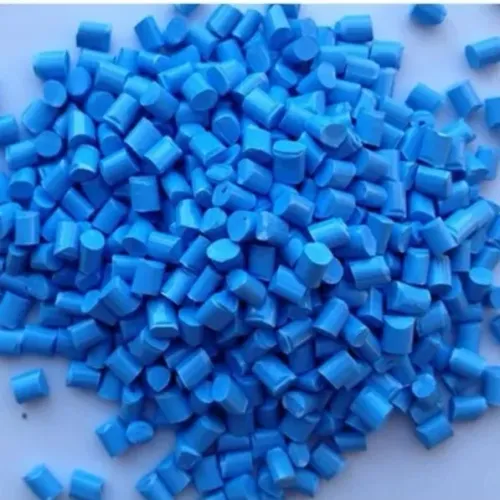
- Coloured compounds
- PVC masterbatch
- Filler masterbatch
- Application-specific formulations
Working with clearly identified grades makes internal purchasing and production control easier.
Ask for a Trial Before Regular Procurement
When introducing a new raw material, a controlled trial provides valuable information.
Production teams should process the material under documented conditions and examine the finished output.
Record any changes in machine settings and compare results with the currently approved material where appropriate.
This is more reliable than approving a material entirely from a description or quotation.
Evaluate Consistency Between Supplies
A raw-material manufacturer should not be judged solely by the first sample.
Repeatability matters when the material enters routine manufacturing.
Buyers can monitor:
- Processing behaviour
- Finished-product appearance
- Relevant technical properties
- Colour consistency
- Packaging condition
- Batch identification
- Variation requiring machine adjustments
Maintaining incoming inspection and production records makes supplier evaluation more objective.
Review Production Quantity Requirements
A supplier may have a suitable material but still need to fit the buyer's procurement schedule.
Discuss approximate monthly consumption, individual order quantity, lead expectations, packaging requirements, and frequency of supply.
This becomes especially important for manufacturers producing continuously for OEM customers, distributors, exporters, and industrial dealers.
Compare Value Across the Production Process
Purchase price should be evaluated alongside manufacturing performance.
Consider whether the material supports stable production and whether excessive adjustment, scrap, or rejection is occurring.
A procurement decision that saves a small amount per kilogram can become less attractive if it increases operational losses.
Total manufacturing impact provides a better basis for comparison.
Keep Technical Communication Clear
Aim Plastic is a Delhi-based manufacturer in the PVC compounds, PVC masterbatch, and plastic granules segment, serving industrial processing requirements.
Businesses approaching the company can make initial evaluation more productive by sharing specific information about the required product. Useful details include the application, material type, colour, hardness requirements where relevant, processing method, approximate quantity, and existing production challenges.
Choosing a PVC compound manufacturer should ultimately be based on fit between the material and the manufacturing operation.
A supplier becomes commercially relevant when it can support application-specific requirements, repeatable material supply, practical communication, and the quantities needed for ongoing production. Buyers who evaluate these factors systematically are better equipped to build a stable raw-material sourcing process.
Keywords