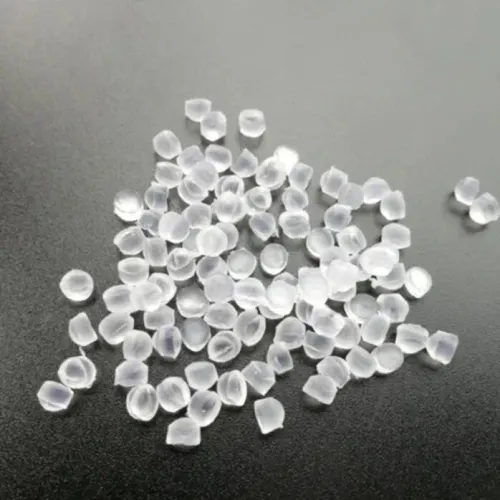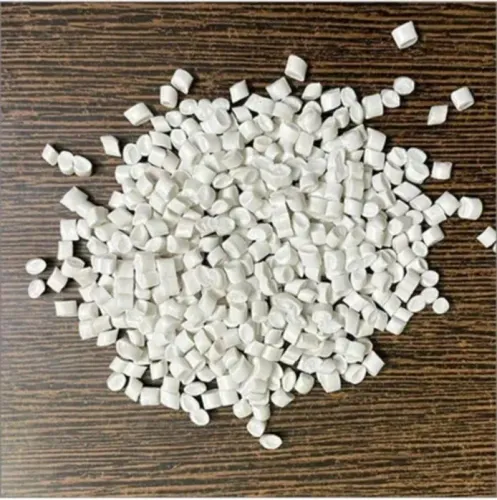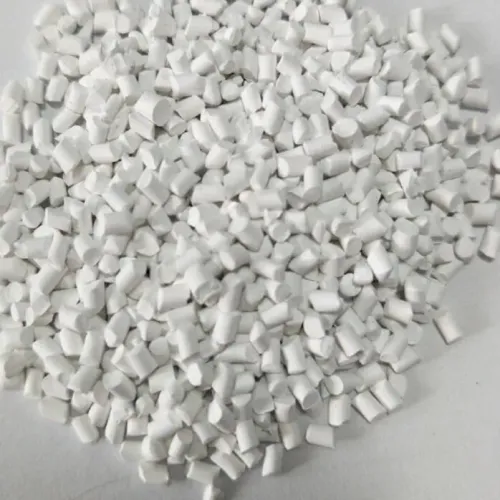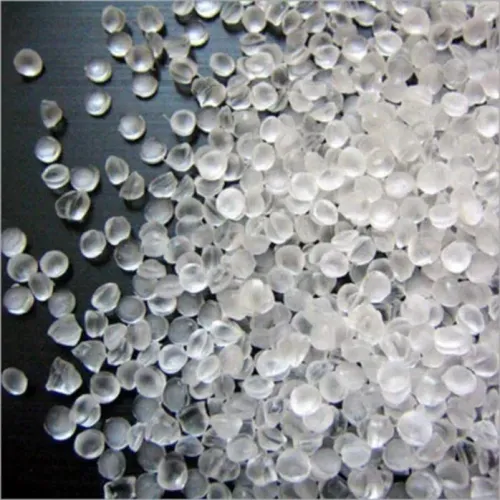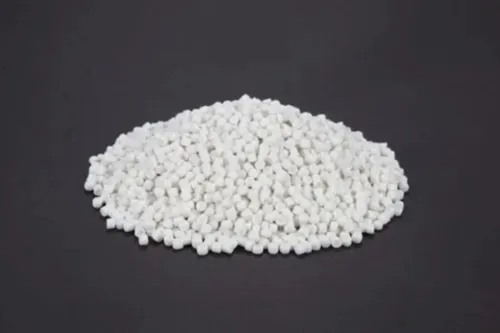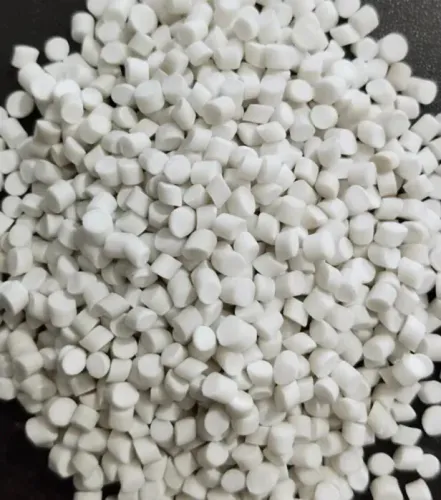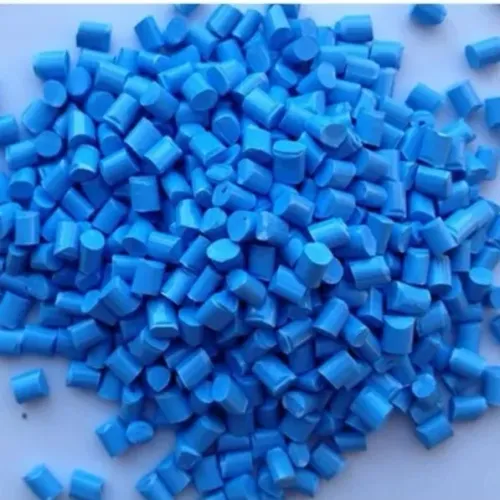
Round cables are used across electrical equipment, appliances, machinery, power connections, and industrial installations. Producing a consistent round cable requires careful control of conductor arrangement, extrusion conditions, dimensions, and the PVC Round Cable Compound used during manufacturing.
The compound must process smoothly while supporting the required flexibility, appearance, and mechanical characteristics of the finished cable.
For cable manufacturers serving Delhi and wider Indian markets, understanding these material requirements can help reduce avoidable production variation.
Round Cable Manufacturing Depends on Material Flow
During extrusion, PVC material is processed around the cable construction to create the required insulation or outer covering.
Stable flow is important because inconsistent processing can influence the cable's shape and surface. Depending on the production problem, manufacturers may experience irregular finish, dimensional variation, or difficulty maintaining line settings.
A well-matched compound should be selected according to the extrusion equipment and cable specification.
Important Characteristics to Evaluate
There is no single formulation suitable for every round cable.
Manufacturers should evaluate several characteristics when selecting a compound.
Flexibility
The required flexibility depends on where the cable will be used. Cables intended for frequent movement may need different characteristics from cables installed in relatively fixed conditions.
Hardness
Hardness influences the feel and physical behaviour of the finished product. It should be aligned with cable construction and application requirements.
Surface quality
A consistent outer surface is important for both appearance and manufacturing quality.
Processing behaviour
The compound should suit the extrusion conditions used by the manufacturer.
Colour consistency
When cables are manufactured in defined colours, consistency across production batches becomes important for product identification and appearance.
Why Generic Compound Selection Can Create Problems
Buying a material simply labelled as a PVC cable compound does not provide enough information to determine whether it is appropriate for a specific round cable.
A processor should first identify the cable diameter, required flexibility, intended operating environment, extrusion setup, and applicable performance requirements.
This prevents material selection from becoming a trial-and-error process.
Extrusion Settings Need Attention
Manufacturers can improve processing stability by monitoring key operating conditions.
Useful checks include:
- Temperature profile across the extruder
- Screw speed
- Line speed
- Die condition
- Cooling consistency
- Material feeding
- Finished cable dimensions
Changes should be recorded rather than made randomly. Production records help teams understand how a particular compound performs under specific conditions.
Storage Can Influence Production Consistency
Material handling before extrusion is sometimes overlooked.
PVC granules should be stored appropriately and protected from contamination. Mixing unidentified batches or allowing foreign material into the feed system can affect processing and finished-product appearance.
Clear batch identification and organised inventory management are particularly useful for manufacturers running several cable grades.
Start With the Finished Cable Requirement
Aim Plastic operates in the manufacturing of PVC compounds, PVC masterbatch, and plastic granules for industrial applications.
When evaluating PVC Round Cable Compound, buyers should provide meaningful technical information about the cable they intend to produce. This can include the required hardness, colour, flexibility, cable dimensions, processing method, and intended application.
PVC formulation and production conditions work together. When manufacturers select the compound according to the cable rather than relying on a generic material description, they are better positioned to maintain consistent extrusion and achieve the required finished-product characteristics.
Keywords