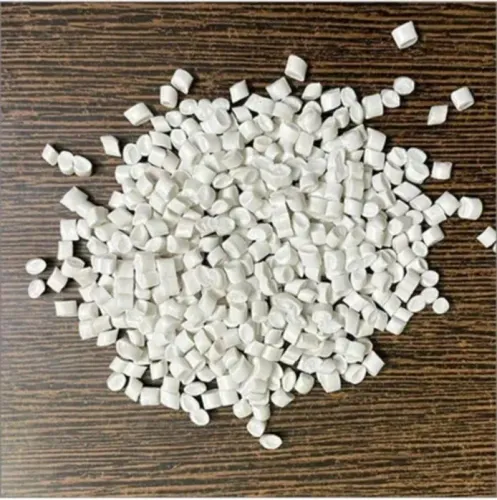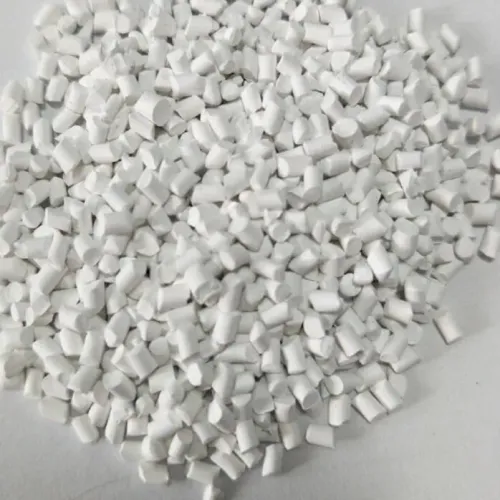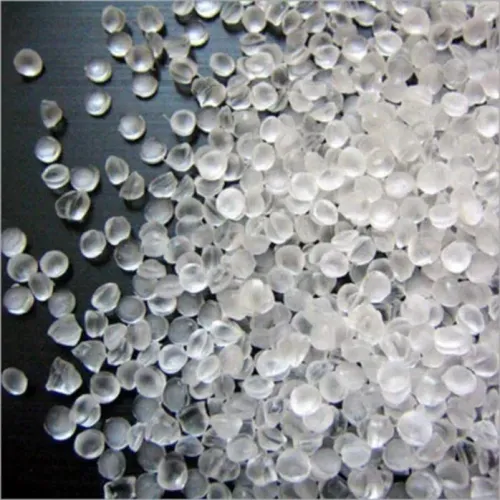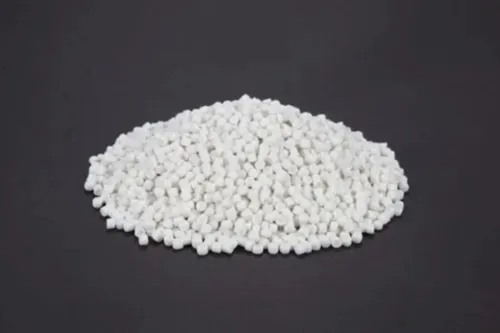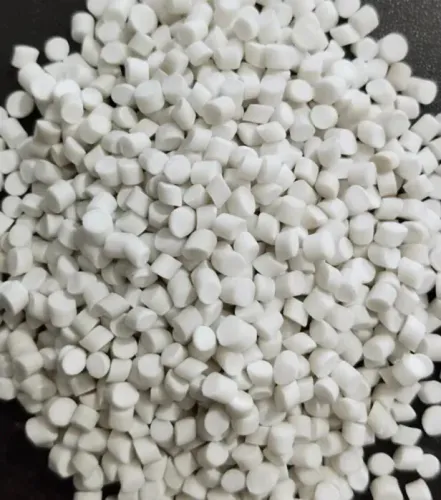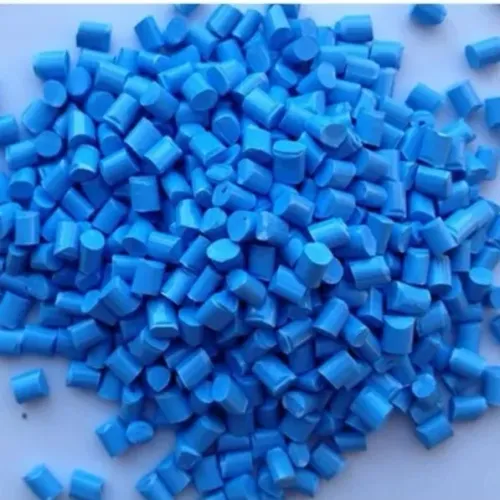

Cable manufacturing places demanding requirements on polymer materials. The compound surrounding a conductor is not merely decorative; depending on the cable design, it can contribute to insulation, protection, flexibility, processing performance, and overall product construction. This makes the selection of PVC Cable Compounds an important part of cable manufacturing.
For cable producers in Delhi and nearby manufacturing centres, understanding compound requirements before production can reduce unnecessary trial-and-error on the extrusion line.
Cable Compounds Are Application Specific
PVC compounds can be formulated by combining PVC resin with plasticizers, stabilizers, fillers, lubricants, pigments, and other additives.
The proportions and types of these ingredients are selected according to the desired performance.
A compound intended for one cable application should not automatically be assumed suitable for another. Requirements can vary depending on whether the material is intended for insulation, sheathing, flexible cable products, or another specified application.
Extrusion Behaviour Matters
Cable production often involves continuous extrusion. Material that behaves inconsistently can create difficulties during long production runs.
Manufacturers commonly pay attention to factors such as:
- Processability
- Surface finish
- Dimensional consistency
- Colour consistency
- Flexibility
- Hardness
- Extrusion stability
- Batch-to-batch uniformity
Stable processing can help operators maintain more predictable production conditions and reduce repeated machine adjustments.
Understand the Finished Cable Requirement
Raw material should be selected around the cable specification rather than the other way around.
Before choosing a compound, manufacturers should establish the important performance requirements of the finished cable. Depending on the application, these can involve electrical, mechanical, thermal, ageing, flexibility, flame-performance, and environmental considerations.
Applicable standards and customer specifications should be identified before finalizing the formulation.
Why Testing Matters
A compound description alone cannot establish whether a finished cable complies with a particular specification.
Manufacturers remain responsible for validating their complete product through appropriate testing. Conductor construction, insulation thickness, processing conditions, cable design, and other variables can affect final performance.
Incoming material controls and production trials can nevertheless help identify inconsistencies earlier in the manufacturing process.
Storage Can Influence Processing
Even properly formulated material needs appropriate handling.
PVC compounds should be stored according to supplier recommendations and protected from unsuitable storage conditions. Packaging should remain properly closed to minimize contamination.
Production teams should also use sensible inventory practices so material is traceable by batch where required.
Good housekeeping around feeding and extrusion equipment helps prevent foreign-material contamination that could affect finished cable quality.
Technical Communication Improves Procurement
Procurement teams sometimes request 'PVC cable material' without providing enough technical detail.
A more useful enquiry identifies:
- Cable application
- Compound use
- Required hardness
- Colour
- Processing equipment
- Relevant performance requirements
- Applicable specification
- Estimated quantity
- Any special formulation needs
Providing this information allows a manufacturer to evaluate the requirement more accurately.
Supporting Consistent Cable Production
Delhi is an important trading and manufacturing centre for electrical and cable-related industries, creating steady demand for dependable polymer raw materials.
Aim Plastic works with industrial buyers requiring PVC compounds and related plastic materials. When evaluating PVC Cable Compounds, cable manufacturers should prioritize suitability, repeatability, processing behaviour, and specification alignment alongside commercial considerations.
Reliable cable production depends on controlling many variables. Choosing a properly matched compound is one of the earliest opportunities to build consistency into the manufacturing process.
Keywords