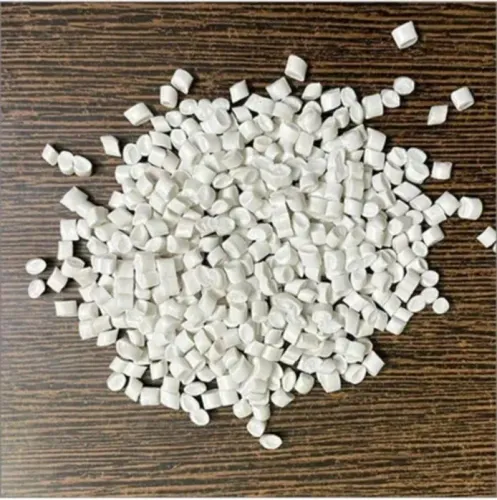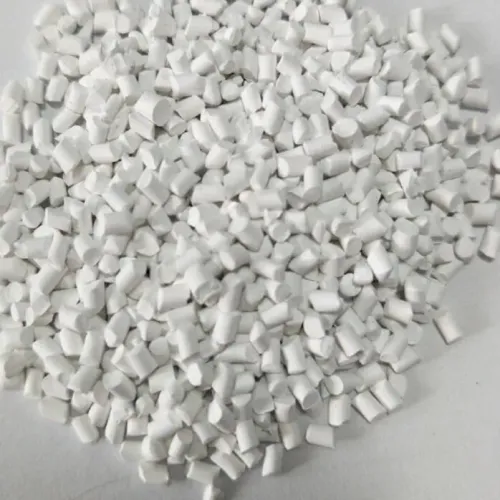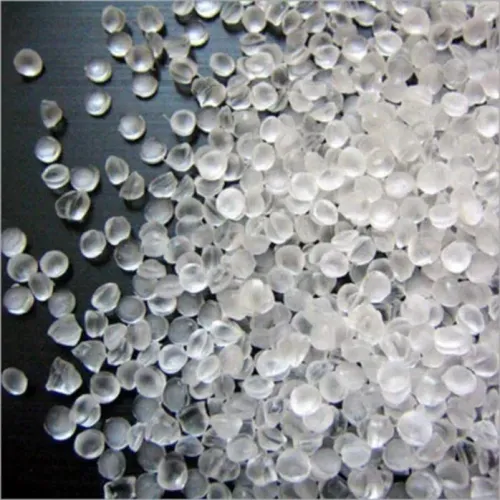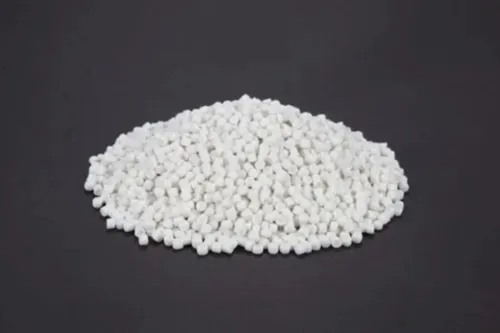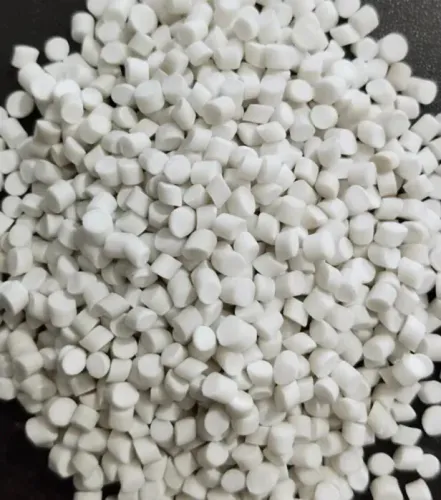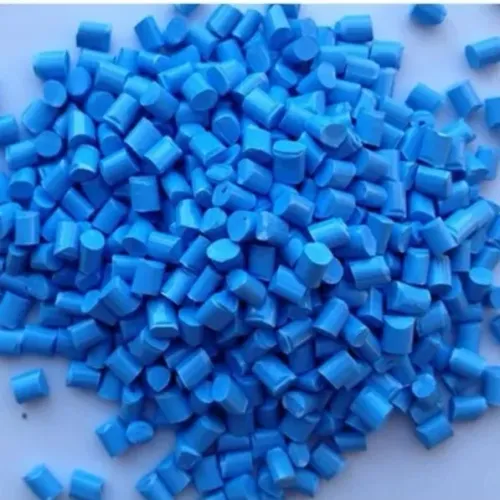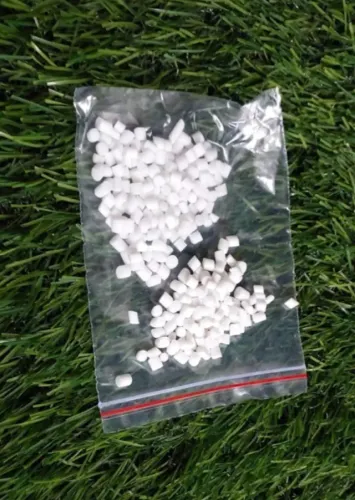
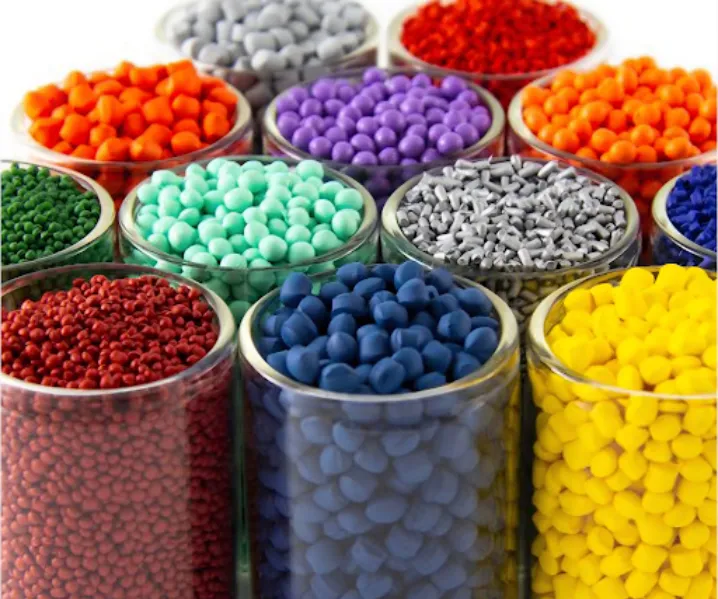
Plastic products used outdoors face conditions that indoor components rarely encounter. Continuous exposure to sunlight can gradually affect colour, appearance, mechanical properties, and useful service life. For manufacturers producing outdoor plastic products, UV Masterbatch can therefore play an important role in material formulation.
Delhi experiences strong sunlight for significant parts of the year, along with seasonal temperature variations. Plastic components intended for outdoor use in Delhi, across the National Capital Region, and elsewhere in India need to be formulated with their actual exposure conditions in mind.
How Ultraviolet Radiation Affects Plastics
Sunlight contains ultraviolet radiation that can initiate degradation in susceptible polymers.
Depending on the polymer, formulation, exposure duration, and environmental conditions, this may contribute to:
- Fading
- Discolouration
- Loss of surface appearance
- Brittleness
- Cracking
- Reduction in mechanical performance
- Premature ageing
These effects do not necessarily appear immediately. Outdoor degradation can develop progressively, making appropriate material design important when a product is expected to remain exposed for long periods.
What UV Masterbatch Does
A masterbatch is a concentrated mixture of functional additives carried in a polymer-compatible system. UV-focused formulations introduce additives intended to improve resistance to ultraviolet-related degradation.
Using a masterbatch enables processors to incorporate these additives into their manufacturing process in a controlled form.
However, the effectiveness of the formulation depends on several factors. Polymer type, product thickness, pigment, application, expected exposure, and masterbatch dosage can all influence performance.
There is no universal addition rate suitable for every plastic product.
Applications Where UV Protection May Be Relevant
Outdoor exposure occurs across many industries.
UV-resistant formulations may be considered for suitable plastic products used in:
- Construction applications
- Agricultural products
- Outdoor profiles
- Plastic sheets
- Packaging exposed during storage
- Electrical components
- Outdoor furniture components
- Pipes and related products
- Industrial products stored outside
The required protection should be determined by the intended product life and service environment.
Correct Dispersion Is Important
Adding an appropriate masterbatch is only part of the process. Consistent distribution throughout the polymer also matters.
Poor mixing or unsuitable processing conditions can result in uneven additive distribution. Manufacturers should follow appropriate dosing and mixing procedures and ensure compatibility with the base polymer.
Production teams introducing a new masterbatch should also monitor whether it affects processing behaviour, colour, finish, or other important characteristics.
Avoid Treating UV Protection as a Marketing Label
Manufacturers should be cautious about treating terms such as 'UV resistant' as complete technical specifications.
Useful questions include:
- Which polymer is being processed?
- How will the finished product be used?
- Is exposure continuous or occasional?
- What product thickness is involved?
- Are pigments also being added?
- What service life is expected?
- Are there customer-specific testing requirements?
These questions allow suppliers and processors to discuss a more appropriate formulation.
Evaluating Material for Delhi Manufacturing
Manufacturers sourcing raw materials in Delhi should consider both production requirements and the conditions their finished products will experience after dispatch.
Aim Plastic works within the plastics and polymer manufacturing sector, supplying compounds and masterbatch solutions for industrial requirements. When discussing a UV Masterbatch, providing accurate application information can help identify a formulation more closely aligned with actual manufacturing needs.
UV protection is ultimately a material-engineering consideration. The best results come from matching the additive system with the polymer, processing method, product geometry, and expected outdoor environment rather than selecting a masterbatch based solely on a generic description.
Keywords